Wood Selection and Flavor Pairing: Matching Woods to Proteins
From mild fruitwoods to bold mesquite, here's how to match wood to your protein, handle blending, and avoid common smoke mistakes.
Affiliate disclosure: This post contains affiliate links. We may earn a small commission from qualifying purchases at no extra cost to you. See our editorial standards for how we research and select recommendations.
How Wood Works and What to Avoid
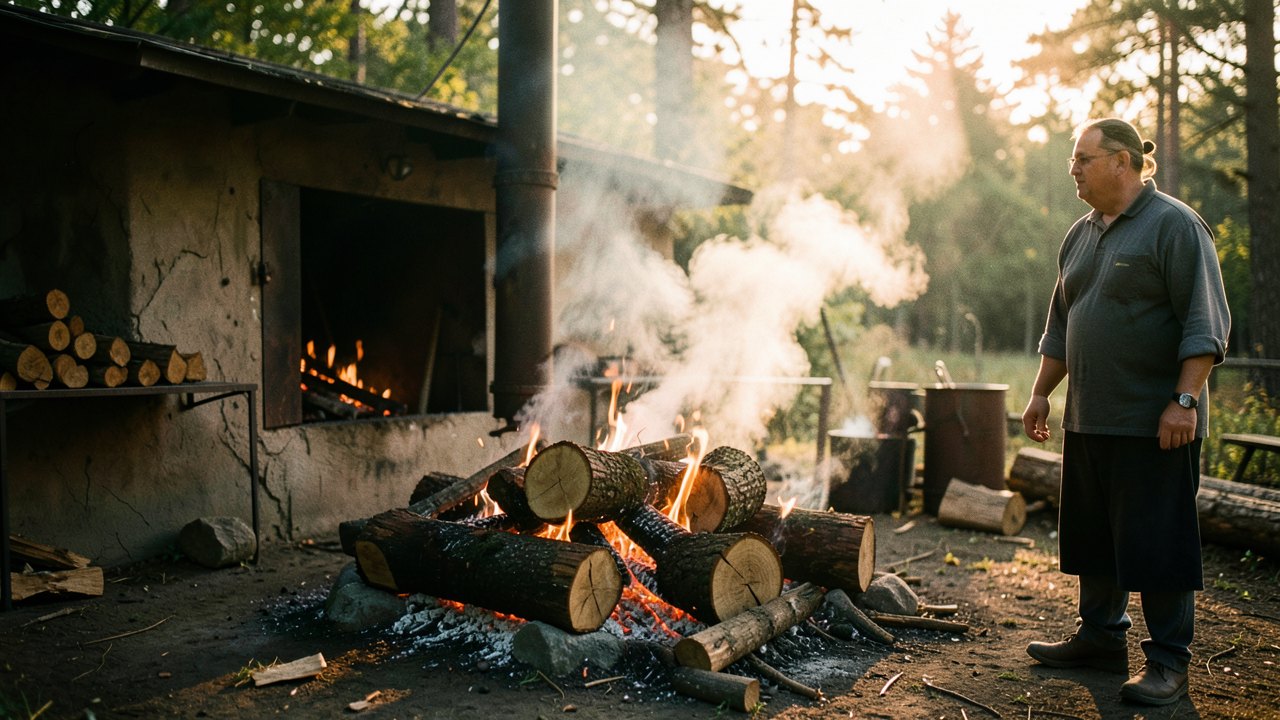
Wood is the primary flavoring agent in barbecuing, second only to the meat itself. As wood burns, it releases compounds such as syringol, guaiacol, phenols, carbonyls, and organic acids, which interact with the meat’s fats, proteins, and connective tissues to create distinct flavors, aromas, and surface colors. Additionally, the nitrogen dioxide produced during combustion reacts with myoglobin in the meat, creating the characteristic pink smoke ring. Different wood species release these compounds in varying ratios, leading to unique flavor profiles.
It is crucial to use seasoned, dried hardwoods for smoking. Softwoods like pine, spruce, cedar, and fir should be avoided as they contain high levels of resin and sap, producing thick, acrid black smoke that can impart bitter flavors and potentially cause illness if consumed in large quantities. Similarly, green wood, which has excess moisture, should not be used as it leads to poor combustion and bitter smoke.
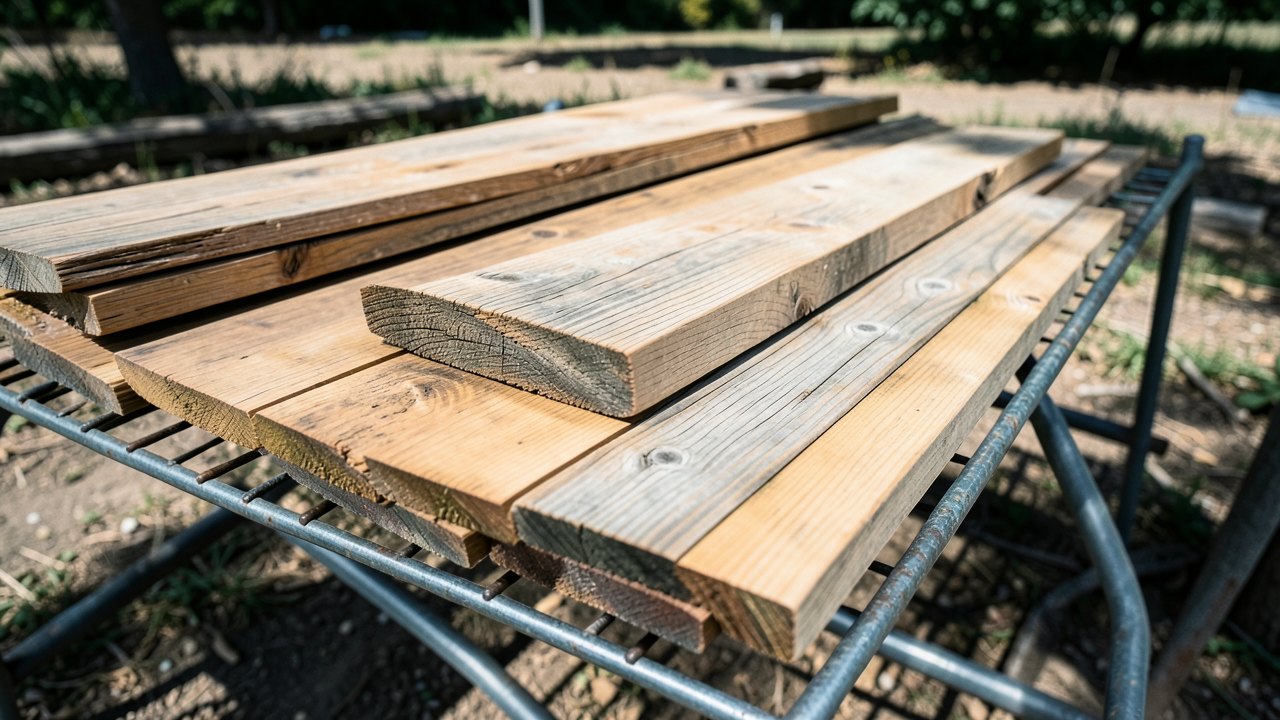
Cedar is an exception to the general rule against softwoods. Cedar planks specifically manufactured and treated for cooking are recommended for fish.
Always source wood from reputable barbecue suppliers or from trees known to be free of contaminants. Avoid using treated, painted, stained, or hardware store lumber for smoking.
Wood Forms and Preparation
- Chips: Thin slices that ignite and burn out quickly. Best for short 30–60 minute cooks on gas or charcoal grills. You'll need to replenish them frequently.
- Chunks: Fist-sized pieces ideal for charcoal, kamado, and offset smokers. Toss 3–4 chunks onto lit charcoal to smolder steadily for hours.
- Logs: Split pieces seasoned for 6–12 months. These serve as both primary fuel and smoke source in large offset smokers.
- Pellets: Compressed sawdust cylinders designed for pellet grills and tube smokers, producing consistent, milder smoke over long cooks.
The choice of wood form depends on your cooking setup and the duration of the cook. It is important to note that soaking wood before use is ineffective and can delay ignition, causing billowing steam rather than flavorful smoke.
Mild Woods
- Apple: Mild and slightly sweet. The flavor develops slowly, so it works best used for the entire cook. Pairs well with poultry, pork, and fish. Note: Most sources classify apple as mild, though one source rates it mild to medium.
- Cherry: Mild and fruity. Prized for imparting a deep mahogany or reddish-brown bark color. Good with pork, poultry, and beef blends.
- Peach: Softer than apple with a floral sweetness. Produces exceptionally clean smoke, making it great for poultry.
- Maple: Mild with subtle sweetness and vanilla notes. Complements glazes and brines on ham, turkey, and vegetables.
- Alder: Very mild and delicate. The traditional choice for Pacific Northwest salmon and light seafood.
Medium Woods
- Mild Woods: These woods deliver light, sweet, or floral notes and are best for delicate or lean proteins like poultry, fish, pork loin, and vegetables.
- Medium Woods: These offer balanced, nutty, or savory flavors and are suitable for a wide range of meats.
- Bold Woods: These have intense, earthy, or bacon-like flavors and are best for heavier, fattier cuts or shorter cook times to avoid bitterness.
- Oak: A well-rounded workhorse. Post oak is known as the standard for Texas brisket because it burns clean and hot, provides a consistent smoke ring, and adds earthy depth.
- Pecan: Related to hickory but milder, nuttier, and slightly sweeter. It's highly versatile for ribs, brisket, poultry, and pork belly. Note: There is some disagreement here. Most sources list pecan as medium intensity, but one source emphasizes it is mild and lists it alongside fish and cheese without the medium nuance.
Bold Woods
There is some disagreement regarding the use of bold woods like mesquite and heavy hickory with poultry. Some sources advise against using mesquite and heavy hickory on chicken and turkey, citing that lean meat can absorb compounds too quickly, leading to an acrid or ashtray-like taste unless used for very short direct-heat cooks. However, other sources list both hickory and mesquite as suitable for poultry without caveats. If you are new to smoking, it is safer to avoid mesquite on poultry and use hickory cautiously.
- Hickory: Strong, savory, and bacon-like. Traditional for pork shoulder, ribs, and beef. It can turn bitter if you over-smoke with it.
- Mesquite: Very strong, intense, earthy, and slightly sweet. It burns hot and heavy. Best for short-cook beef like steaks and fajitas, or dark-meat game. Overuse leads to acrid results.
Blending Strategies
A good practice is to let mild or medium wood be the main component of your blend and use bold wood as a supporting note.
- Start simple: Try a 50/50 blend and adjust from there.
- Ribs: Use a 2:1 ratio of apple to hickory.
- Brisket: Use post oak as the base with a small addition of cherry for color and subtle sweetness.
- Softening Hickory: If you're new to smoking or find hickory too sharp, mix it 50/50 with apple or cherry to prevent bitterness, especially at higher temperatures.
Smoke and Temperature Management
Aim for a cooking temperature range of 225–275°F to achieve proper low-and-slow combustion and optimal release of flavor compounds. Smoke absorption is highest during the first 2–3 hours when the meat surface is cool and moist. Extended heavy smoke beyond this period can lead to bitterness, especially on lean meats.
Maintain a consistent internal temperature throughout the cooking process. Frequent lid openings can cause heat loss, cooking stalls, and disrupt the smoke environment. Using wireless or smart thermometers allows you to monitor temperatures without opening the lid. A Wi-Fi monitor like the ThermoWorks Signals runs four probes and shows the readings on your phone.
Monitor the smoke color for optimal flavor. Thick white smoke indicates incomplete combustion and can deposit bitter creosote on the meat. Aim for thin, blue, nearly invisible smoke for clean flavor.