Wood Forms and Combustion: Chips, Chunks, and Splits for Smoke Generation
Chips ignite fast and burn quick, while chunks and splits deliver long, steady smoke. Learn the facts on timing, placement, and the truth about soaking to match the right wood to your cook.
Size Matters: Chips, Chunks, and Splits
The wood you toss on the fire changes how your smoker behaves. It all comes down to physical size and how the fibers are cut. Wood chips are small scraps, usually less than 0.25 inches thick and up to an inch wide or long. Because they're shredded across the grain, they have jagged fibers and a high surface-area-to-volume ratio. This means they catch fire almost instantly.
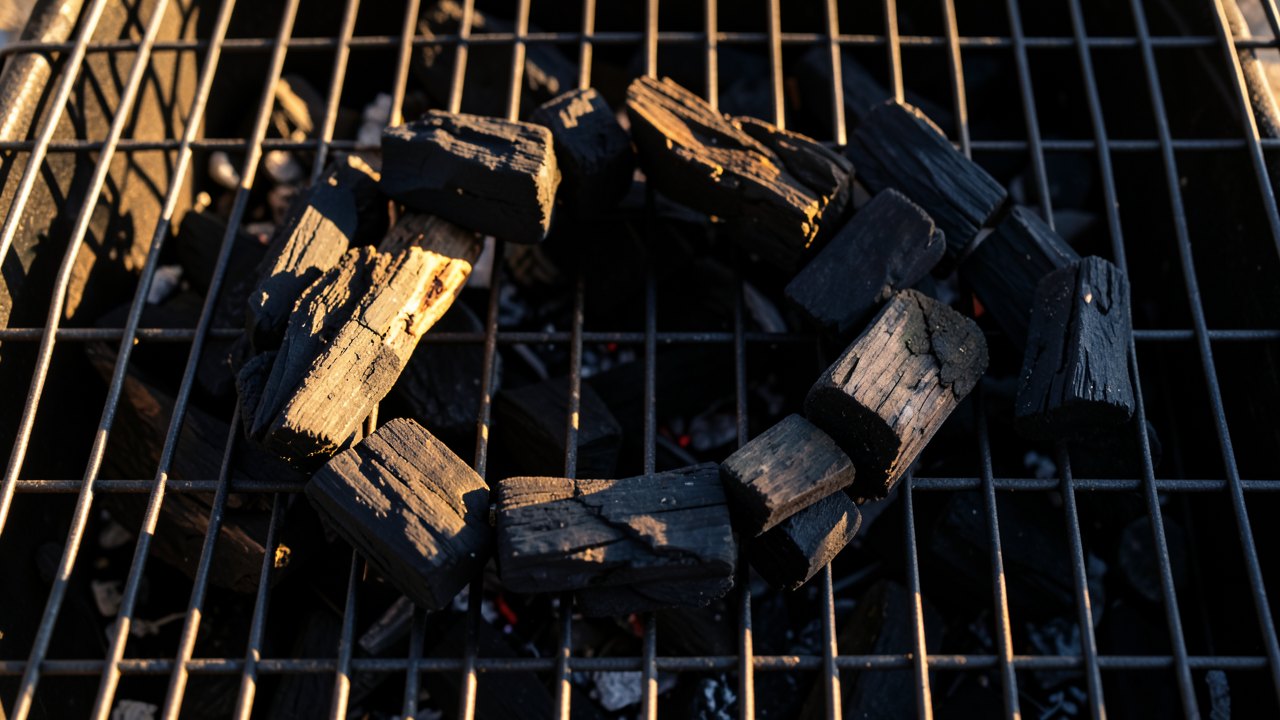
Chunks are heavier duty. These range from up to 4 inches thick to blocks measuring 5 to 10 cm. They're typically split along the natural grain, which allows heat to penetrate slowly and gives them the mass to resist quick combustion. This structure supports sustained pyrolysis, the clean burning process that creates good smoke.
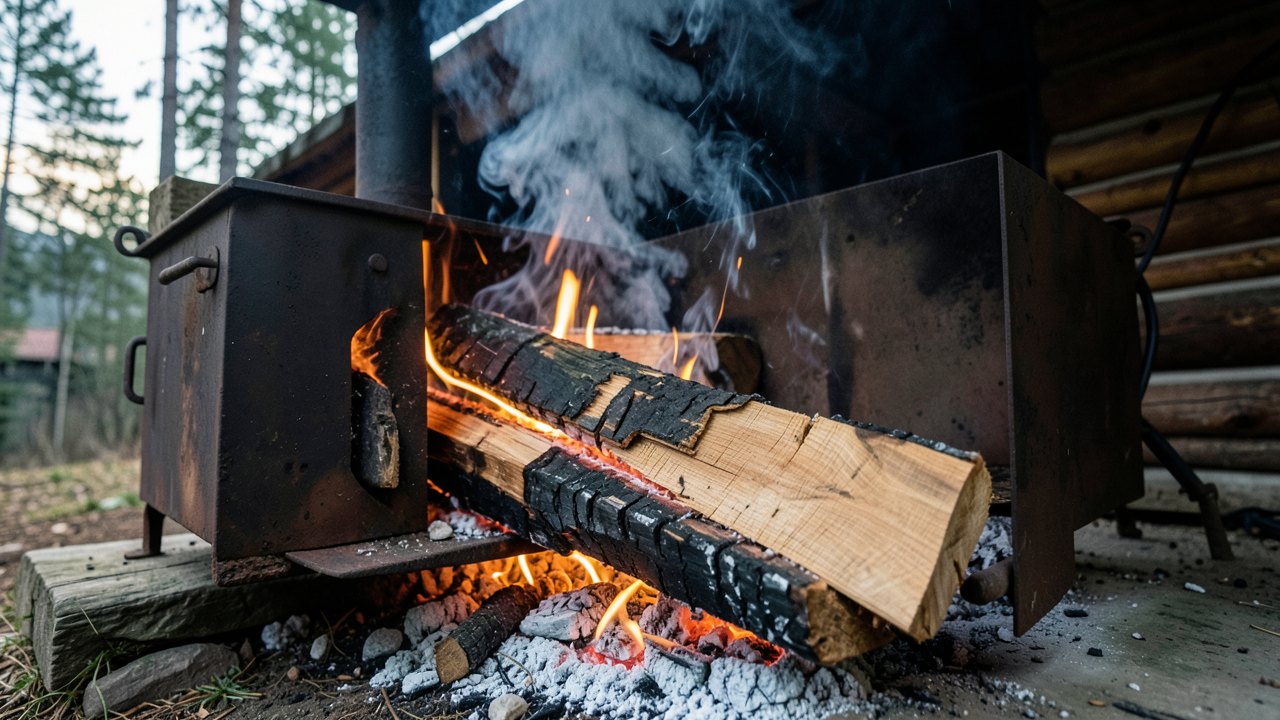
Splits (or logs) are the largest format. These aren't just flavor additives; they're engineered to act as the primary heat and fuel source. They support long burn cycles in offset smokers and live-fire pits.
Matching Wood to Your Cooker
Not every smoker handles every wood form the same way. Gas and electric units usually lack the oxygen flow and direct radiant heat needed to cleanly ignite large chunks. Chips are the standard choice here, used in smoker boxes or foil pouches. There's some debate on chunks in these units: some sources note chunks work if the hardware is specifically designed to hold them, while others warn that without enough airflow and heat intensity, chunks can smolder poorly and risk acrid, bitter smoke.
Charcoal kettles and Kamado-style cookers are highly versatile and perform optimally with chunks placed directly on hardwood lump charcoal. Offset smokers are thermally designed to run on full logs, but wood chunks serve as the ideal "mini-log" substitute for these high-mass fireboxes. Gravity-fed vertical smokers need uniform chunk dimensions to prevent "bridging" in the fuel chute, which would stop the wood feed and mess up your smoke profile.
Pellet grills have a hard rule: never add chips or chunks to the hopper. Doing so creates severe auger-jamming risks. If you want extra smoke flavor, a dedicated smoke tube on the grate is the recommended alternative.
Amounts, Timing, and Application
Chips produce viable smoke for only 15 to 30 minutes before turning to ash, so they're really only suitable for short-duration cooks. Chunks last much longer, providing steady smoke for about 1 hour in grills and 2 to 4 hours in smokers. That's up to eight times longer than a handful of chips.
General Guidelines:
- Long Brisket (12 hours): Deploy about 4 to 6 large chunks of high-density hardwood, spaced throughout the charcoal bed for continuous smoldering.
- Weber Kettle: Place 2 to 3 chunks directly on or near the coals. Alternatively, in a Weber Smokey Mountain bullet, position exactly 4 chunks in the north, south, west, and east quadrants of the charcoal ring.
- Charcoal Smokers: For indirect heat, distribute 2 to 3 chunks per charcoal mound (4 to 6 total). For direct heat, place 2 to 3 chunks directly on the coal bed.
- Offsets: Add 3 to 4 chunks to the firebox, replenishing as needed to maintain 220–250°F.
- Electric Smokers: Use roughly 4 cups of chips in the fuel compartment under the heat element.
Setup Tips:
- Kettle Fire: Load chunks into a chimney starter over loosely packed newspaper. Ignite and wait 15 to 20 minutes for flames to die down and smoldering to begin. Pour into the kettle and leave the lid open initially to clear heavy smoke.
- Gas Grill: Preheat 10 to 15 minutes on high. Add soaked/drained chips to a smoker box or perforated foil pouch over an unlit burner. Close the lid until smoke appears, then reduce to medium or low heat.
- Snake Method: Space chunks along the charcoal chain so a new piece ignites roughly every hour to keep temperatures stable.
- Placement: Bury chunks slightly beneath unlit charcoal for long, low-and-slow cooks to control ignition. Place them directly on glowing coals for short grills where you need an immediate smoke burst.
Watch your temperature with chips. Adding too many to compensate for their short burn time can cause dangerous temperature spikes that ruin thermal stability.
Moisture, Flavor, and Common Disagreements
Clean smoke comes from lignin breaking down during pyrolysis. This releases the aromatic compounds you want and helps form that smoke ring. Dry wood is key here. Wood should be seasoned or kiln-dried to less than 20% moisture content. Kiln-drying for 48 hours removes excess moisture, speeds up ignition, prevents mold, and ensures a cleaner burn.
Soaking wood is generally counterproductive for low-and-slow cooking. The water turns to steam instead of smoke, creating a "steam trap" that drops pit temperature and wastes fuel energy on vaporization. It also delays pyrolysis. Wet wood forces incomplete combustion, which produces creosote—thick black soot that leaves a harsh, bitter, metallic taste on the meat. If you want humidity in the pit, manage that with separate water pans to help form the meat's pellicle for better smoke adhesion.
Points of Disagreement and Nuance:
- Soaking Exception: While soaking is mostly condemned, there's a narrow exception. Briefly soaking chips during high-heat searing can prevent instant ignition and flare-ups.
- Heartwood vs. Sapwood: High-density hardwoods like Australian Ironbark and Redgum deliver higher BTU output and sustained energy. However, sources differ on wood composition. Some say chunks are great because they naturally contain both heartwood and sapwood in one piece. Others argue for selecting heartwood only, pointing out that sapwood holds higher moisture and nutrient transport levels that can lead to inconsistent or bitter smoke.
- Chunk Reusability: One source claims wood chunks can stay structurally intact after a cook and be stored for reuse. This practice isn't mentioned or validated by other research.
- Terminology: There's a distinction in how some describe offset fuel. Chunks act as "mini-log" substitutes, but "wood splits" are identified as a specific larger format engineered to serve as the primary fuel source, requiring different fire management than chunks.


