Using Cast Iron and Dutch Ovens on the Grill
Manage uneven grill heat, execute a proper sear, and calculate Dutch oven coals with these verified techniques and equipment warnings.
Affiliate disclosure: This post contains affiliate links. We may earn a small commission from qualifying purchases at no extra cost to you. See our editorial standards for how we research and select recommendations.
Using Cast Iron and Dutch Ovens on the Grill
Cast iron cookware is a reliable choice for grilling, but achieving consistent results hinges on heat management. Grills typically have hotter zones in the center and back, while the edges remain cooler. This allows you to control cooking intensity by positioning the cookware closer to or further away from the heat source. A common technique involves searing the food in the hottest area to create a flavorful crust, then moving it to a cooler area to finish cooking more gently and ensure even doneness.
Searing Techniques
Before cooking any protein, the cast iron skillet should be preheated to approximately 500°F. An infrared thermometer like the ThermoWorks Industrial IR Gun reads the pan surface from a distance, so you can confirm the 500°F before the steak goes in. Cast iron’s ability to retain heat is a key advantage, and thorough preheating encourages the Maillard reaction, which enhances flavor and texture. When preheating, it's best to use an oil with a high smoke point, such as corn, avocado, or canola oil. Olive oil isn't recommended for such high temperatures. Once the oil is added, wait roughly 30 seconds for it to shimmer before adding the food. Upon adding the steak, immediately press it down to ensure full contact with the skillet's surface. Using a skillet slightly larger than the steak helps prevent any protruding bones from disrupting the sear. Searing times vary depending on the steak’s thickness; a 1-inch steak typically needs 2 to 3 minutes per side, while a 1.5-inch steak usually requires 4 to 5 minutes per side. To render the fat on the edges, sear them for 30 to 60 seconds per side, or rotate the steak every minute until the fat is rendered. Following the searing process, reduce the heat to medium, add 3 tablespoons of butter combined with minced garlic and fresh herbs, tilt the pan, and spoon the melted butter over the meat until it reaches the desired level of doneness.
Resting and Carryover Cooking
After cooking, it's generally recommended to rest the steaks for 10 minutes to allow the juices to redistribute. However, cast iron retains heat exceptionally well, and leaving the steak in the hot skillet can lead to overcooking. To avoid this, transferring the meat to a cutting board while it rests is a safer practice.
Dutch Oven Management
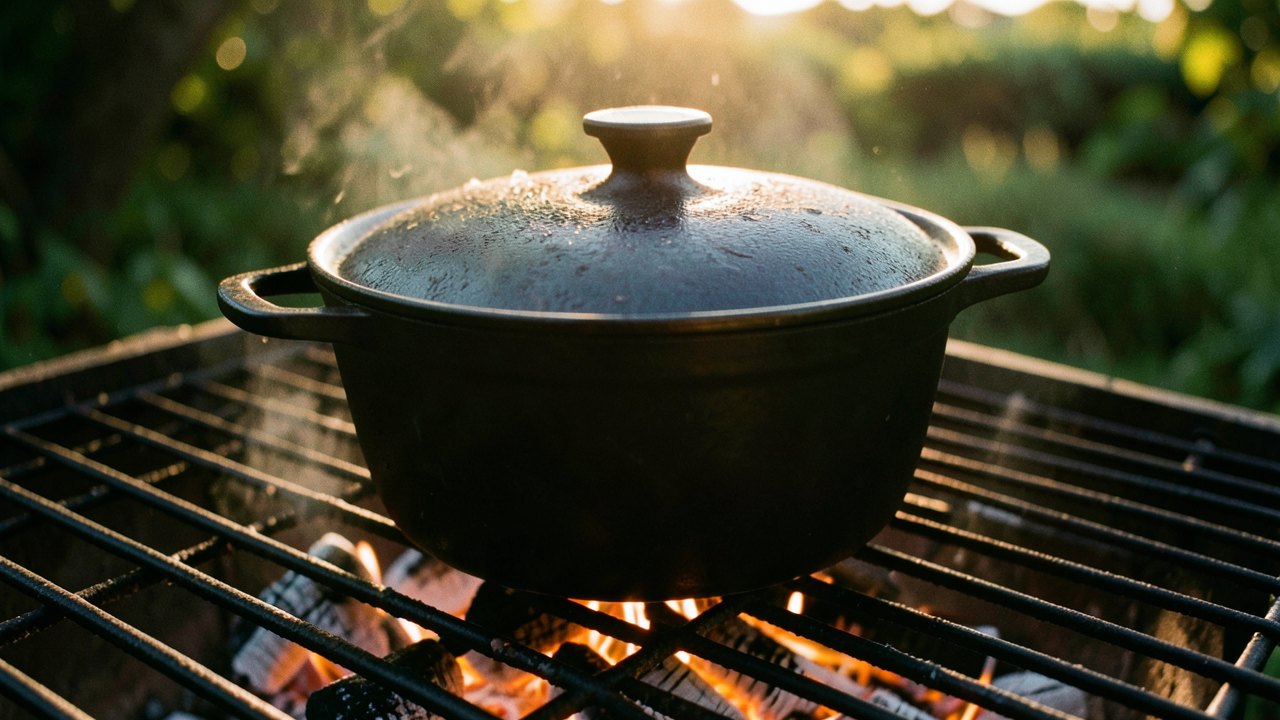
When using a Dutch oven, proper coal placement is vital. To achieve an internal temperature of roughly 350°F, a useful guideline is to multiply the oven's diameter by two to determine the approximate number of coals needed. Arrange the coals in a circle just inside the outer edge of the oven's bottom, and place a single coal in the center. On the lid, distribute the coals evenly around the outer edge and add 2 to 4 coals near the handle. Rotating the Dutch oven body 90 degrees clockwise and the lid 90 degrees counter-clockwise every 10 minutes helps to even out any temperature variations.
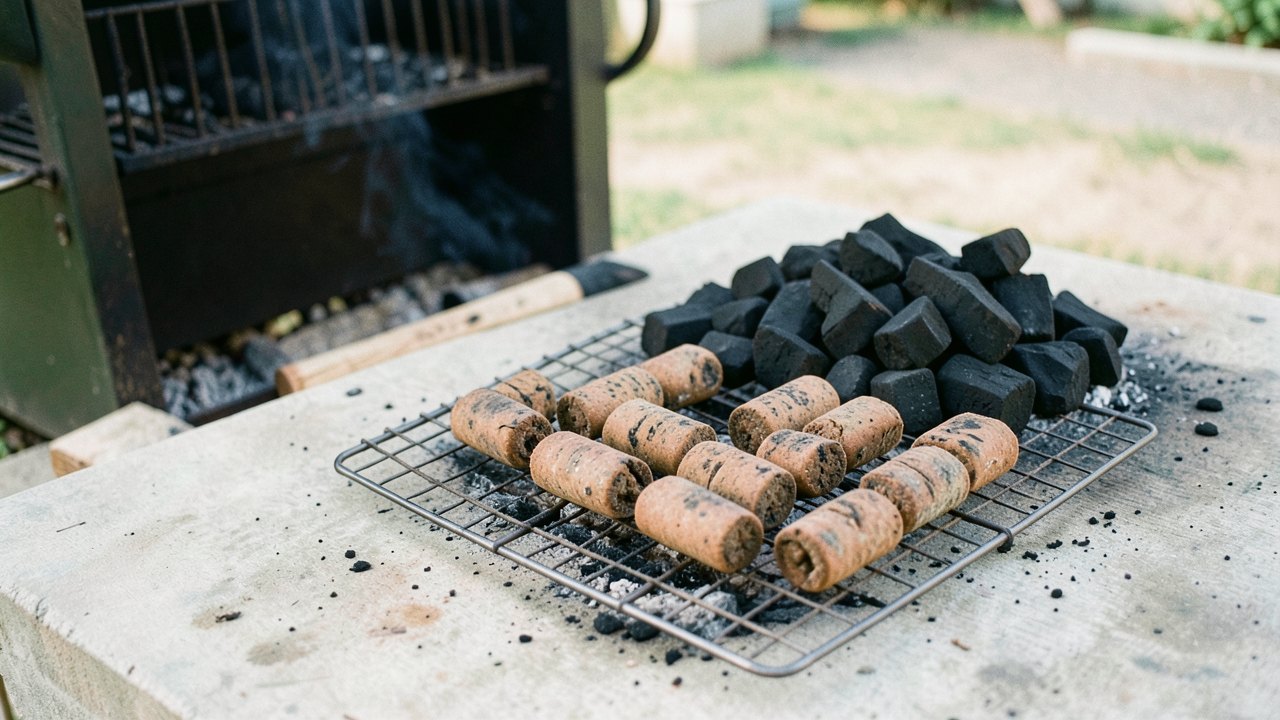
Ensure the Dutch oven’s legs rest on the grill grate’s slats or within the burner recess if using a camp stove. When cooking over a direct flame, keep the flame low or utilize hot coals to prevent burning. Coals or embers should be replaced approximately every 30 minutes. Briquettes typically take 15 to 20 minutes to turn gray and become ready for use. Opting for good quality briquettes is important, and avoid briquettes pre-soaked with lighter fluid, as they tend to burn less efficiently. Inclement weather, such as cold, wet, or windy conditions, will prolong cooking times, requiring either additional coals or extended cooking periods. It is also worth noting that enamel-coated Dutch ovens should be avoided on grills or over open flames to prevent damage to the coating.
A Dutch oven can also be employed without its lid, functioning similarly to a skillet for searing steaks or sautéing vegetables. The raised sides of the Dutch oven help contain any oil splatters.
Variances and Disagreements
Different sources offer varying advice on Dutch oven cooking techniques. Some advocate for a fixed ratio of twice as many coals on the lid as on the bottom (a 2:1 ratio) to ensure even heat distribution, suggesting 8 coals underneath and 16 on the lid for a larger 6-to-7-quart oven. Others recommend adjusting this ratio based on the type of dish, using more bottom heat for soups and stews, more top heat for breads, and a balanced approach for roasts and casseroles. Fuel choices also vary; while briquettes offer consistent sizing, lump charcoal burns more slowly. Many suggest briquettes are easier to manage, especially for beginners. Ultimately, careful observation of the cooking process is essential, as searing guidelines advise against leaving food in a hot pan to rest, while other Dutch oven resources do not address this concern.