Smoking vs. Roasting: How Heat and Air Change Your Food
Two reliable techniques, different goals, and some mixed numbers to keep in mind.
How Each Method Works
Smoking is a cooking method that uses indirect, low heat to cook food while infusing it with the flavors of burning wood. This technique serves both as a cooking process and a form of preservation, often referred to as an extreme form of barbecuing due to its low temperatures and extended cooking times. The food is kept away from direct flames or coals, cooking instead through the ambient heat inside the covered space. The type of wood used is crucial, as varieties such as apple, pecan, mesquite, hickory, or oak each impart unique flavors to the dish.
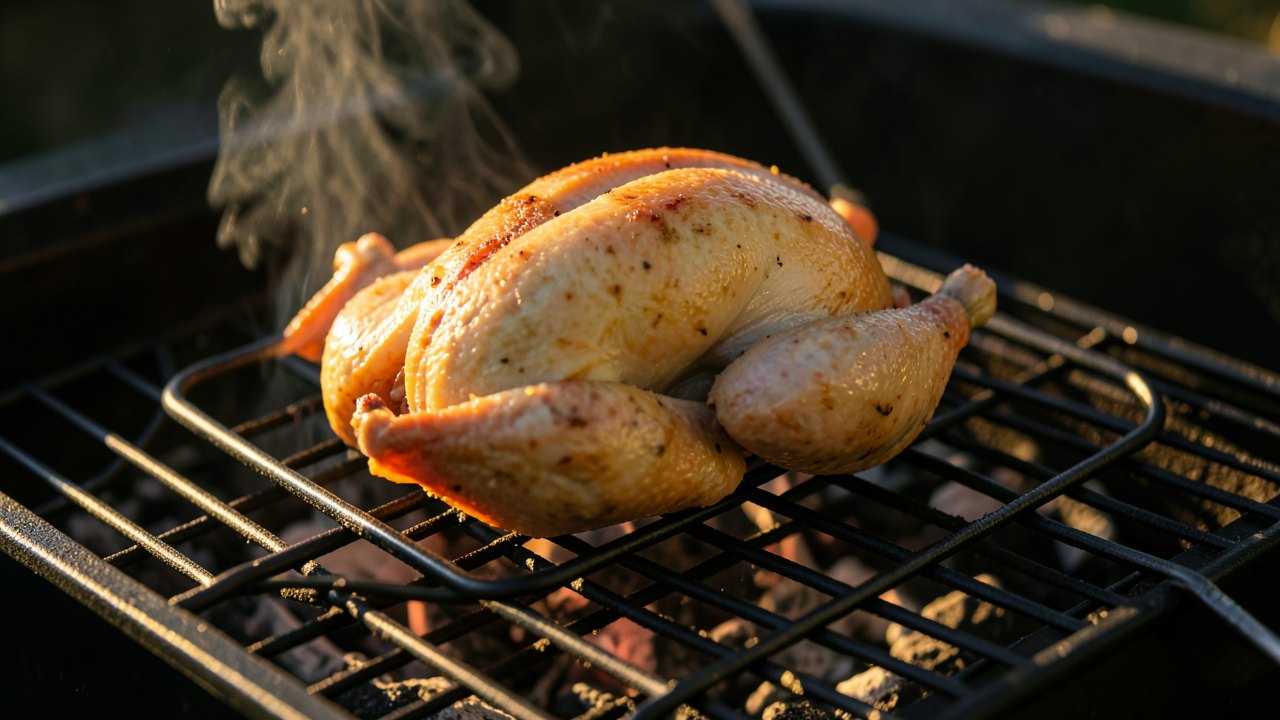
In contrast, roasting involves circulating hot, dry air around the food, typically within an oven or a lidded grill. The food is placed on a rack or in a pan to ensure air circulates freely on all sides. This method is ideal for thicker cuts of meat, whole birds, and dense vegetables that require even, steady heat to cook thoroughly.
Temperature and Time
The temperature ranges for these methods are somewhat inconsistent. For smoking, one source suggests temperatures between 50 and 120°C, while another recommends 150 to 300°F, and a third mentions 68 to 176°F. Some researchers point out that smoke can be added at any temperature. Cold smoking, which operates between 68 and 86°F, is used solely for flavoring foods that are already cured or cooked, like cheese or sausages. Hot smoking, ranging from 126 to 176°F, cooks the food while imparting flavor, making it suitable for items like briskets and ribs. Roasting temperatures typically range from 350 to 500°F or 200 to 400°F.
The time required for these methods varies widely. Smoking can take anywhere from 5 to 24 hours, with some sources suggesting even longer periods or as little as 1 hour up to two weeks, depending on the specific dish. Roasting generally takes a few hours. The wide range of smoking times is due to the varying objectives; a quick flavor hit requires less time, while deeper flavor penetration demands more.
Flavor and Texture
Smoking is known for delivering the most robust smoky flavor of any outdoor cooking method. The lower heat relaxes muscle fibers and renders internal fats, spreading moisture and flavor throughout the meat. This results in an extremely soft, tender texture that falls apart easily. It is particularly effective for tough cuts with high connective tissue content, such as pork shoulder, beef brisket, and ribs. Research indicates that a fully cooked exterior can block smoke from penetrating deeper, which is why longer cook times are necessary for full flavor infusion.
Roasting, on the other hand, aims to create a crispy, browned, and caramelized exterior while keeping the interior moist and tender. The moderate to high heat allows the outside to brown without burning before the inside is fully cooked. This method ensures even cooking, preventing charring and ensuring no raw centers, resulting in rich, well-developed flavors that suit foods requiring gentle, sustained dry heat.
Setup and Equipment
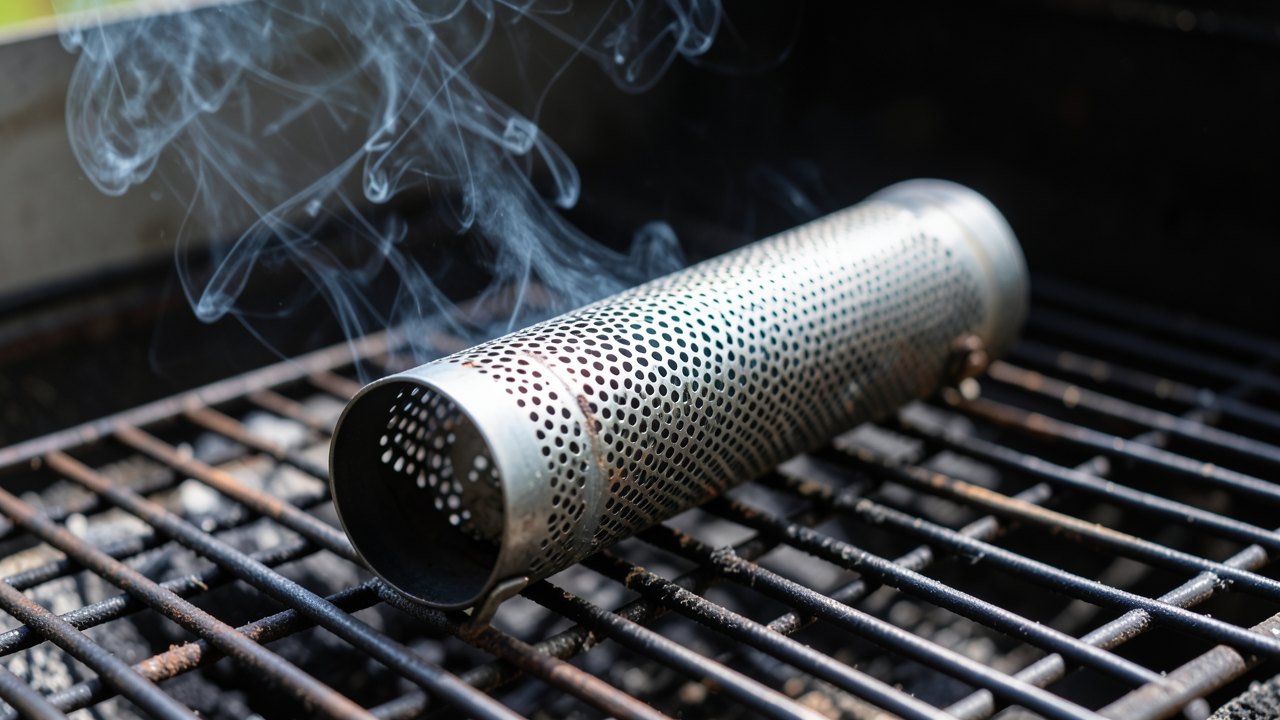
Neither method requires a specialized setup. While some guidelines recommend dedicated smokers or fully insulated compartments, others suggest that a standard grill with a lid, a diffuser plate, or even a foil pouch can replicate the necessary environment effectively. For cold smoking, a perforated metal tube placed inside a closed grill without turning on the heat works well. For roasting, elevating the food on a rack rather than letting it sit in pan drippings is recommended to keep extra fat away from the meal.
Both methods are reliable when matched to the type of food being cooked. The variation in temperatures and times across different sources highlights the flexibility of outdoor cooking. By choosing the right technique for your food, maintaining a steady heat, and allowing the process to work, you can achieve excellent results.