Smoking Vegetables: Flavor Control, Techniques, and What Works
Get the smoke flavor right without overpowering the veggie.
Why Vegetables Are Different
Vegetables, unlike denser meats, absorb smoke flavor readily. Often, smoking vegetables is primarily about adding flavor rather than fully cooking them. To prevent overpowering the taste, techniques like parboiling heartier root vegetables or finishing smoked mushrooms in a skillet can be helpful. Delicate vegetables can often benefit from a short smoke infusion, while denser varieties can withstand longer smoking times.
Choosing Your Wood
To ensure a pleasant flavor, it’s best to use mild wood varieties like alder, apple, maple, or oak. Stronger woods like mesquite are generally too intense for most vegetables. When using larger wood chips, soaking them beforehand is recommended; smaller, superfine chips—common in indoor smokers—can be used dry. Those using pellet grills should select quality pellet blends to avoid excessive smoke production.
Setup and Equipment
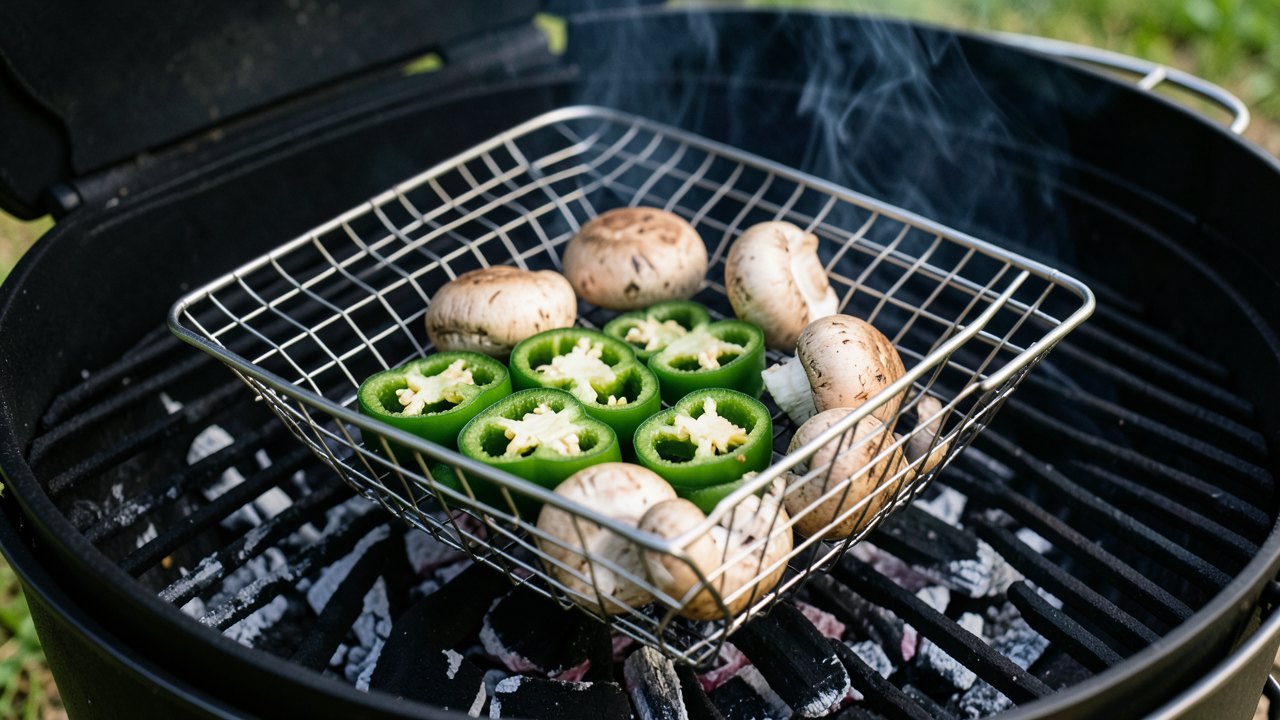
Smoking can be accomplished using various methods, including outdoor smokers, stovetop smokers, grill baskets, cast iron skillets, or baking sheets. A stovetop smoker can be created with a roasting pan, drip tray (using foil or a baking sheet), perforated rack, and a tight-fitting lid, sealed with foil to retain smoke. Indoor smoking requires the exhaust hood to be on high and a window to be cracked, although significant smoke alarms are unlikely due to the relatively low smoke output – a lingering aroma may remain.
There’s no consensus on the best way to position vegetables during smoking. Some prefer baking sheets, while others recommend racks or skillets to maximize smoke circulation. Foil packs are sometimes suggested to soften vegetables; however, they completely block smoke penetration, preventing flavor absorption.
Managing Texture and Smoke
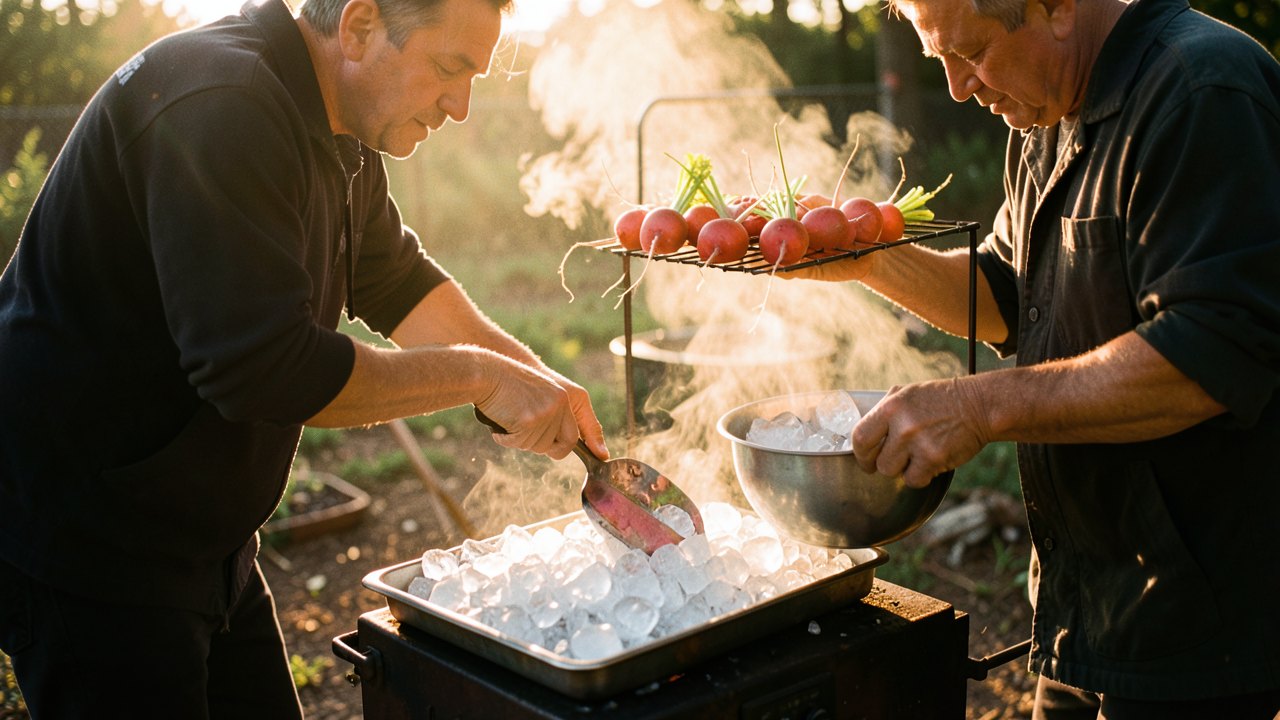
A unique technique for crisp vegetables like radishes is “ice bath smoking," involving a tray of ice at the smoker’s base, placing the vegetables above, smoking for just 4 minutes at low heat, and immediately chilling to preserve crunch. Generally, a coating of olive oil and seasoning with salt and pepper is recommended before smoking, though radishes only require trimming and cleaning.
The size of the vegetable cuts significantly impacts the final texture. Zucchini and squash should be cut into larger pieces to avoid a mushy result. When smoking a variety of vegetables with differing cook times, cutting harder vegetables thinly or smaller ensures even cooking. Alternatively, vegetables can be added to the smoker in stages based on density. Stirring vegetables in a basket or skillet every 15 to 20 minutes helps distribute smoke flavor and promote even cooking.
There is no universally accepted temperature strategy for smoking vegetables. One approach involves a two-stage process: smoking at 180°F to 200°F for initial flavor absorption, followed by increasing the heat to 400°F to finish cooking. Another method utilizes a consistent, low and slow approach at 225°F to 250°F for 45 to 60 minutes. A third method maintains a steady medium heat of 350°F for 35 to 45 minutes. While some guidelines suggest longer cook times (30 to 60 minutes) for mixed vegetables, others emphasize shorter smoking times to prevent a too-intense flavor.
Vegetable-Specific Protocols
Carrots
Carrots require a longer smoking time, generally 1 hour 15 minutes to 1 hour 45 minutes at 350°F to achieve tenderness, or a shorter process of smoking on the stovetop for 10 minutes followed by a 350°F oven finish.
Tomatoes
Opinions on smoking tomatoes are divided. Some consider them excellent, creating an intensely flavorful ("umami") product, and recommend longer smoke times. When following this approach, use ripe, sturdy varieties like Roma or sauce tomatoes. Cut-side up, oiled, and salted, tomatoes can be smoked for 20 to 25 minutes over medium heat for a juicy result or up to an hour longer for a drier, more concentrated flavor. An indoor alternative involves 20 minutes on the stovetop, followed by a finish in a 275°F oven. Conversely, others caution against smoking tomatoes, as they can become mushy. The outcome likely depends on the tomato variety and careful monitoring of texture.
Jalapeños
Jalapeños should be smoked for approximately 12 minutes over medium heat, focusing primarily on smoke infusion rather than softening.
Mushrooms
Mushrooms typically require 15 minutes of smoking until they are tender. If they possess sufficient smoke flavor but remain undercooked, they can be finished in a skillet or a 350°F oven.
Summer Squash
For a raw-like texture with smoky flavor, thinly sliced squash (1/8-inch thick), salted, and blotted dry, should be smoked over medium heat for just 4 minutes using mild wood.
Garlic
To smoke garlic, expose the cloves and rub with oil. A longer smoking time involves cooking for 1.5 to 2 hours at 275°F. Alternatively, smoke for 15 minutes on the stovetop, then finish in a 275°F oven for approximately 1.5 hours until the innermost cloves are tender.
Mixed Vegetables
When smoking mixed vegetables, preheating the smoker to 225°F to 250°F and cooking for 45 minutes to 1 hour, stirring every 15 to 20 minutes until fork-tender is a suitable method. Another option involves preheating to 350°F, cooking for 20 minutes, stirring, and then cooking an additional 15 to 25 minutes until softened but not mushy. The previously mentioned two-stage method (180°F to 200°F for 15 minutes, then 400°F for 15 to 20 minutes) remains a valid option as well.