Rubs & Spices: Pairing Flavors with Protein for Solid Results
How to apply rubs for the best crust, when to rest, and where expert advice agrees or diverges.
What Makes a Rub Work
Dry rubs are mixtures of herbs, spices, salt, sugar, and aromatics used to season meat. They're designed to enhance flavor, create a flavorful crust, and complement the natural taste of the protein being cooked. Unlike marinades, which penetrate the meat, rubs primarily interact with the surface, reacting with heat, smoke, and fat.
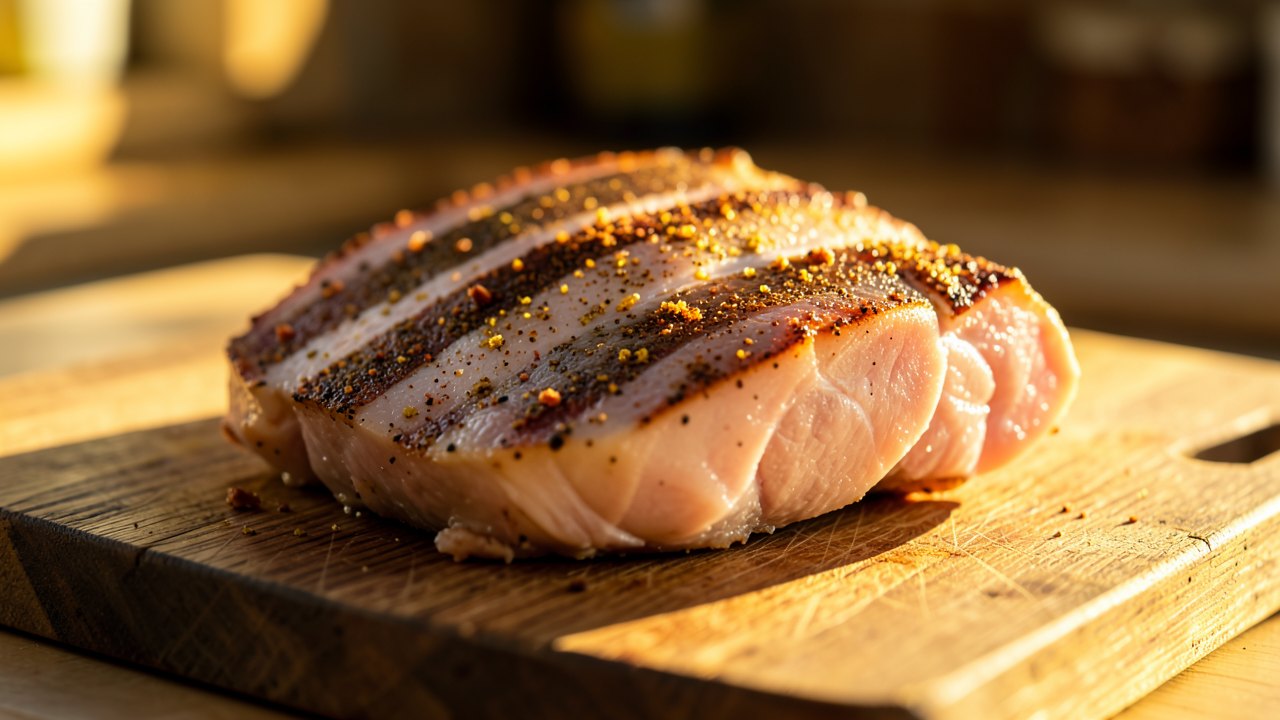
A well-balanced rub relies on several key components: salt, sugar, a heat source, and a binder or aromatic element. Salt draws moisture to the meat's surface, which aids in the formation of a desirable crust. Sugar promotes caramelization, while ingredients with a heating quality help to cut through fat. The texture of the rub is also crucial; coarser grinds are generally preferred for cuts like brisket and ribs to encourage proper bark development. Finer grinds can be prone to caking or burning quickly, so the texture should be appropriate for the cooking method and the type of meat.
High-quality rubs prioritize fresh, whole, and stone-ground spices, avoiding fillers like maltodextrin or silicon dioxide that can dilute the flavor and negatively impact performance. To maintain their potency, rubs should be stored in airtight containers away from heat and light. Typically, they remain effective for about six months; after that, they tend to lose flavor and can taste flat.
Application Amounts and Resting Times
- Quick sear or steak: 15 minutes.
- Steak with Montreal rub: 20 minutes.
- Cajun or sesame rubs: 30 minutes.
- Chicken or pork chops: 1 hour.
- Brisket: 1 hour minimum; overnight is recommended for maximum effect.
- Jerk seasoning: At least 2 hours.
- Tandoori with yogurt: Marinate for at least 4 hours.
The amount of rub used varies depending on the desired result. A light coating typically requires 1 to 2 tablespoons per pound of meat, while a heavier crust can call for 3 to 4 tablespoons per pound. Thicker cuts, such as brisket and pork shoulder, can handle a more generous application. Conversely, delicate proteins like chicken and fish need less rub to avoid overpowering their natural flavor.
Allowing the rub to rest on the meat before cooking is an important step. A minimum of 30 minutes is recommended, with an optimal window of 30 to 60 minutes. During this resting period, the salt in the rub draws moisture to the surface, which is then reabsorbed, pulling the spices deeper into the meat. It’s important to be mindful of excessive salt, as prolonged resting periods can draw out too much moisture and dry the meat.
Pairing Principles by Protein
Matching the rub to the type of protein is critical for achieving the best flavor and texture.
Beef
Beef: Bold, coarse, and savory rubs are best suited for beef. Classic combinations like salt, pepper, and garlic (SPG) are ideal for bark formation and showcasing the beef's natural flavor. Other complementary ingredients include rosemary, thyme, smoked paprika, and even dill, which can balance the richness of beef fat. Pressing the rub firmly into the surface encourages a dark, cracked crust to form.
Pork
Pork: Pork’s versatility allows for both sweet and savory rubs. Brown sugar, maple sugar, paprika, and mustard seed are common in sweet rubs, which contribute to a caramelized crust. Savory profiles, incorporating elements like coarse garlic, offer an earthy and aromatic balance.
Poultry
Chicken and Turkey: Lighter proteins like chicken and turkey benefit from balanced rubs that add depth without masking their flavor. Citrusy, herbaceous, or sweet-and-smoky profiles are often used. Ingredients such as lemon thyme, paprika, cayenne pepper, and brown sugar provide a nice combination of flavor, with the sugar contributing to a glaze on the skin.
Seafood
Delicate Proteins (Fish & Shrimp): These proteins require lighter rubs with acidic, clean, or citrusy notes. Smoky rubs can also be a good pairing. Lemon-pepper, dill, citrus zest, and mild heat are commonly used. It’s important to avoid heavy sugar or excessive salt to prevent drying or overpowering the delicate seafood.
Lamb
Lamb: Lamb pairs well with savory herb blends or warm, earthy spices. Rosemary, thyme, and black pepper are dependable choices, while blends like Tandoori or Harissa, with cumin, coriander, caraway, and chili, can create added depth.
Vegetables
Rubs aren't limited to meat; they can also be used on vegetables like peppers, zucchini, eggplant, mushrooms, and corn. A light coating of oil helps the rub adhere to these vegetables.
Technique, Divergence, and Cooking Methods
Before applying any rub, it's essential to pat the meat dry. Moisture leads to steaming rather than searing and hinders rub adhesion. After sprinkling the rub evenly over the surface, use your hands to massage or press it firmly into the meat to ensure thorough coverage.
Layering rubs can create even more complex flavors. A base layer, such as an SPG blend, can provide a savory foundation. A second layer can add sweetness or heat. Finally, a dusting of citrus or spicy rub after cooking can restore contrast and add another layer of flavor.
The cooking method influences how the rub performs. Smoking allows ample time for flavors to meld and smoky elements to harmonize, justifying a more generous rub application. Grilling's high heat quickly sears the rub, so monitoring the sugar content is important to prevent burning. Searing develops a savory, caramelized crust where spices bloom rapidly.
- Binders: Some sources recommend using a binder like olive oil, mustard, or Worcestershire sauce to help the rub adhere. Others advise against adding oil, stating it makes the rub slide off, and recommend oil only if the rub is exceptionally fine and dry.
- Searing Timing: One view suggests applying the rub just before placing meat on the hot surface. Another recommends a 15-minute rest even for quick sears to allow salt and moisture interaction.
- Sugar and Grilling: High-sugar rubs can burn at grilling temperatures, so caution is suggested. Meanwhile, sweet rubs are recommended for poultry and pork often grilled, implying sugar can be managed or contributes desirable caramelization.
- Resting Duration: General guidance points to a 30-minute minimum. More granular advice breaks this down from 15 minutes for sears up to overnight for brisket.
- Salt Mechanism: Salt drawing moisture is described as positive for bark and penetration. However, warnings note that long rests can dry meat if salt levels aren't adjusted.
Rubs are generally best suited for high-heat or short-cook items, where crust formation is desired. For low-and-slow cooking or tenderizing thick cuts, marinades are often a more appropriate choice. However, combining both techniques—marinating first, patting dry, and then applying a rub—is also an option.