Managing Airflow and Damper Settings for Consistent Temperature Regulation
Keep the fire steady, the smoke clean, and the dampers predictable.
Affiliate disclosure: This post contains affiliate links. We may earn a small commission from qualifying purchases at no extra cost to you. See our editorial standards for how we research and select recommendations.
Ignition and Startup Protocol
Achieving a reliable and even fire in an offset smoker begins with a charcoal chimney starter. This method provides a solid foundation for the cooking process. Once the charcoal has fully ashed over, typically within 15 to 30 minutes, it can be loaded into the firebox. Initially, fully open both the firebox intake damper and the smokestack exhaust to facilitate rapid heating. It’s generally easier to initially overshoot your desired temperature and then reduce it than to attempt precise temperature control from the start. A stable firebox base is crucial, with a recommended bed of approximately 200 briquettes covering roughly two-thirds of the firebox floor for thermal stability. Allow the grate-level temperature to stabilize at your target – ideally at least 225°F – before placing any meat on the grate.
Damper Strategy and Control
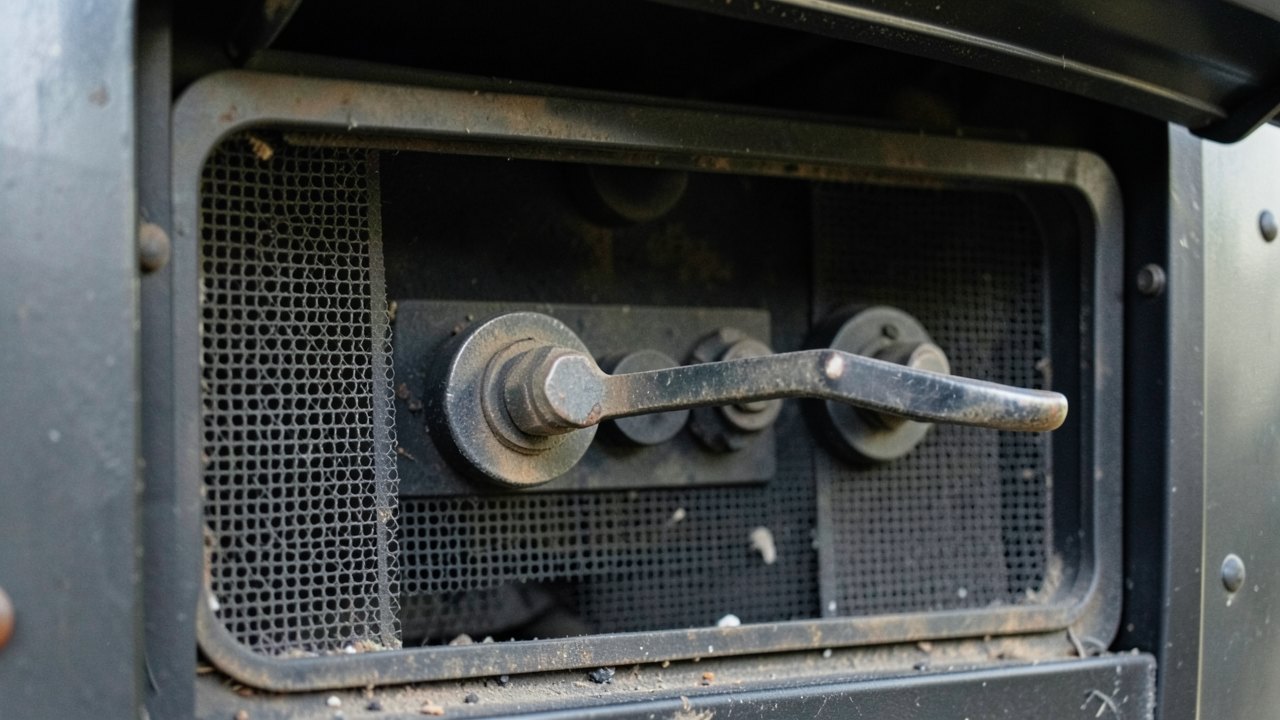
Temperature regulation primarily relies on adjusting the firebox intake damper, which should serve as your main control point. The exhaust damper is typically kept open or nearly fully open throughout the smoking process. Maintaining an open exhaust promotes a clean draft and prevents the buildup of stale, bitter-tasting smoke within the chamber. Different approaches exist for fine-tuning. Some recommend adjusting only the intake damper while keeping the exhaust static, while others suggest small, measured adjustments to the exhaust damper after the fire stabilizes to maintain a steady airflow. An alternative strategy involves keeping both dampers fully open for optimal combustion and managing temperature solely through the addition of wood chunks, typically about every hour. An intake damper opening of between one-quarter and one-half is generally sufficient for maintaining a stable cooking environment.
Making Adjustments
It is vital to avoid hasty damper adjustments. Offset smokers retain a significant amount of heat, meaning temperature changes manifest gradually. Allow 10 to 15 minutes for changes to take effect before making further adjustments. Incremental adjustments, such as moving the intake damper in approximately 1/4-inch increments, are recommended to prevent significant temperature fluctuations.
Fuel Management and Refueling
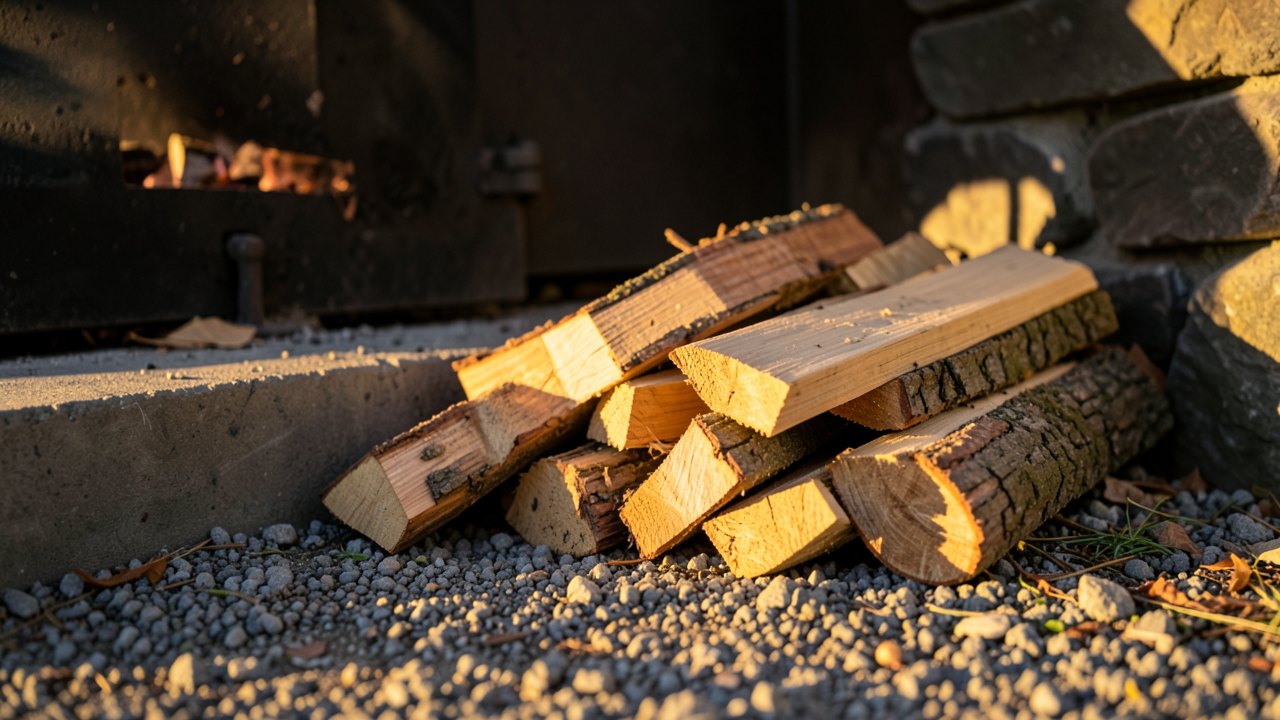
Refueling frequency is determined by smoker size and weather conditions. A general guideline falls between 30 and 60 minutes, with smaller smokers or those operating in cold, windy conditions requiring more frequent refueling, roughly every 25 to 45 minutes. Replenish fuel when the existing wood has reduced to hot coals but has not yet collapsed. Pre-warming the wood before adding it to the firebox helps ensure efficient and clean burning. Placing wood splits on top of the firebox or keeping chunks outside for 15 to 20 minutes before adding them promotes immediate ignition and reduces the likelihood of smoldering. Select wood chunks or splits that are golf-ball to baseball-sized and have low moisture content to minimize steam and unwanted flavors. Larger logs are appropriate for larger offset smokers, while smaller pieces are more suitable for smaller grills.
Smoke Quality and Fire Health
The ideal smoking environment produces thin, blue, or nearly invisible smoke, indicative of clean combustion and a subtle flavor profile. Thick, white smoke signals smoldering or insufficient oxygen, which can lead to bitter creosote deposits on the food. Black or gray smoke suggests an oxygen deficiency and requires immediate attention by increasing airflow. While some sources suggest short cooks with white smoke are acceptable, others consider it a combustion failure that should be addressed.
Monitoring and Troubleshooting
Utilize two thermometers: one to monitor the chamber temperature and another to track the internal temperature of the meat. A two-channel monitor like the ThermoWorks Smoke covers both with one unit and shows them on a wireless receiver. Remote or calibrated digital probes are highly recommended to avoid unnecessary lid openings and the associated temperature fluctuations. Be aware that offset smokers often exhibit temperature variations across the chamber; the firebox side typically registers around 280°F, while the exhaust side may be closer to 250°F. Strategically position the meat accordingly. A water pan within the chamber contributes to temperature stability, adds humidity to prevent meat from drying out, and can help mitigate flare-ups. To reduce excessive heat, partially close the intake damper. If the smoker struggles to reach the desired temperature, inspect for air leaks around doors or consider reducing the size of the coal bed. Conversely, if the temperature remains too low, clear ash from the coals, add a small piece of wood, and slightly open the intake damper.