Korean Grill Game: Gochujang, Gochugaru, and Sweet-Heat Rubs
How to balance fermented heat and sweet glazes on pork, plus what to watch for with moisture loss, searing temperatures, and saucing windows.
Ingredients and Wood Choice
Gochujang is the heavy lifter in these profiles. It's a fermented chile paste made with gochugaru, glutinous rice, salt, fermented beans, and sweeteners, bringing a strong, funky heat that builds up slowly rather than delivering a sharp bite. The research notes you can't swap it out; nothing captures that fermented depth on its own. Gochugaru adds spiciness and inherent sweetness, used to boost heat in rubs and sauces. For wood, fruit options like apple and cherry are a solid match for pork and Korean flavors.
Rub Formulas and Moisture Management
Formulas depend on the cut and the cook method. For pork ribs, a high-sugar rub uses 2/3 cup light brown sugar, 1/4 cup kosher salt, 2 tbsp gochugaru, 2 tsp garlic powder, and 1 tsp ginger powder. The data shows a clear downside here: the high sugar and salt content acts as a brine, drawing significant moisture from the meat. This can cause leaks in foil and create a mess, so the recommendation is to season immediately before smoking rather than prepping the day before.
For thick-cut chops (1.5" to 2"), the rub skips sugar entirely to prevent burning during a hot sear. The formula calls for 1/4 cup gochugaru, 2 tsp kosher salt, 2 tsp black pepper, 2 tsp garlic powder, and 2 tsp toasted sesame oil. Gochugaru provides enough sweetness on its own for this application. When applying, coat the meat generously. For chops, pat them dry and rub with toasted sesame oil before adding the dry mix.
Sauces, Glazes, and Simmer Times
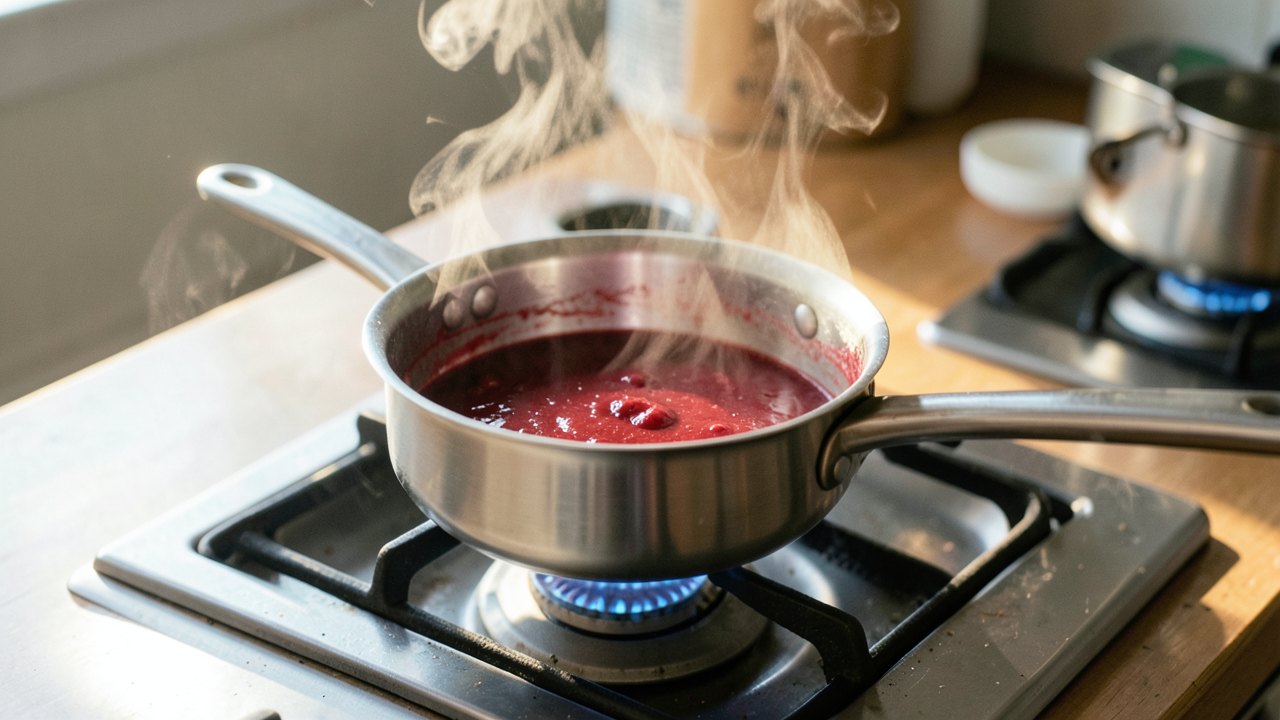
Sauces need support to handle the heavy gochujang. A ketchup-based BBQ sauce uses ketchup to lay a barbecue foundation, sautéing onion, garlic, and ginger first to develop depth, then simmering with 2/3 cup gochujang, rice vinegar, sweet rice syrup, brown sugar, soy sauce, gochugaru, and pepper for 10 minutes before blending and finishing with sesame oil.
A strawberry-gochujang glaze uses fruit sugars to keep the fermented heat in check. It combines 1/2 cup gochujang, strawberry preserves, brown sugar, ketchup, soy sauce, honey, rice wine vinegar, water, fresh garlic, and fresh ginger. The research highlights a difference in reduction times here: while some sauces simmer for 10 minutes, this glaze requires 20 to 25 minutes to concentrate sugars so it grips the meat rather than sliding off. The sauce thickens noticeably as it cools, so pull it at 20 minutes if you need a quicker finish.
Other profiles include a mirin-fish sauce reduction for ribs or dipping, simmered 10 minutes, and a gochujang compound butter for chops made with salted butter, gochujang, honey, garlic, and chives. When it comes to aromatics, fresh grated garlic and ginger are preferred for sauces to release bright oils, whereas dried powders can taste flat, though powders are standard for rub stability.
Cooking Methods and Temperatures
Smoked pork ribs can be done at 225°F with the meaty side up for 5 to 6 hours. With the high-moisture rub dynamics, spritzing isn't needed. The research also points to wrap methods, suggesting a 3-2-1 schedule for St. Louis spares or a 2-2-1 schedule for baby backs. Doneness is determined by the bend test: the rack should have a nice bend without breaking when lifted by one end.
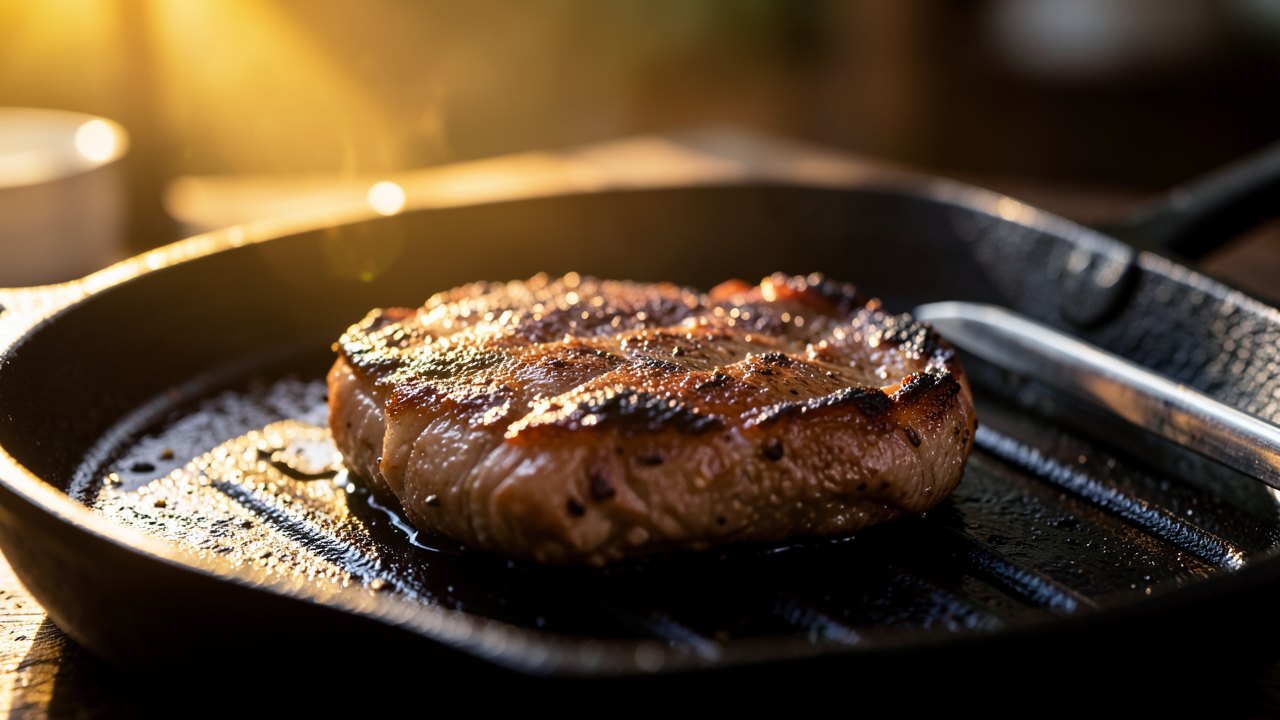
Smoked pork chops follow a two-stage process. Smoke at 225°F for 50 to 60 minutes until the internal temperature hits 110°F. Transfer to a sheet pan and tent with foil off-heat. Then increase the smoker to 500°F, drizzle oil on the chops, and sear for 8 to 10 minutes per side until the internal temperature reaches 145°F. This smoke-plus-sear approach delivers the best flavor and texture; slow smoking alone tends to yield dry chops, while grilling alone gives juiciness but less flavor development.
Saucing Windows and Finishing
Sugar burns, so timing matters. Sauces are sugar-heavy and will scorch if applied too early over high heat. The general rule is to add sauce at the very end. There's a split on the exact window: some methods suggest saucing in the last 30 minutes of cooking, while others recommend the final 5 minutes to strictly avoid burning. Moving meat to high heat helps set the glaze fast and adds caramelization you can't get with low heat. Finish ribs and chops with toasted sesame seeds and scallions, or top chops with a pat of gochujang compound butter.
Key Variations and Mixed Data
The research shows some differences in approach that are worth noting. Rub sugar content varies by cut: a high-sugar rub is used for ribs, while sugar is omitted for chops to protect against burning during the sear. Aromatic form matters by application; fresh garlic and ginger are the call for sauce brightness, while powders are reserved for rubs. Simmer times for sauces range from 10 minutes for standard reductions to 20–25 minutes for glazes that need to thicken for adhesion. Rib methodology splits between a straight 5–6 hour smoke and wrap methods like 2-2-1 or 3-2-1. Saucing windows also differ, with some sources favoring the last 30 minutes and others sticking to the last 5 minutes to prevent sugar scorch. Finally, moisture management notes that high-sugar rubs draw enough moisture to eliminate spritzing, while thickened sauces may need warming to brush evenly as they cool.


