Korean BBQ: Grilling Techniques, Cuts, and Table Rules
Learn how to cook Korean BBQ at the table, from managing the grill heat and timing cuts like samgyeopsal and galbi to ordering etiquette, ssam wraps, and respecting table manners.
Grilling at the Table
Korean BBQ is an interactive dining experience where guests cook their own meat at the table, making it a social affair. The key to a successful Korean BBQ session lies in everyone's participation and attentiveness to the grill. Meat should be added gradually to the grill, with only a small number of pieces cooked at a time to prevent them from cooling down unnecessarily. Raw meat should be placed in the center of the grill where the heat is most intense, and once cooked, it should be moved to the cooler edges to make room for the next batch.
Timing for Different Cuts
Different cuts of meat require varying cooking times, and using kitchen scissors to cut meat into bite-sized pieces while it's nearly done can help ensure even cooking without the need to transfer it back to the plate.
- Samgyeopsal (pork belly): Lay the strips flat on the hottest part of the grill. Leave them alone for 2 to 3 minutes. Wait until one side is charred before flipping. Thick slices usually mean the quality is good.
- Chadolbaegi (beef brisket): These thin slices cook fast. Grill for only 20 to 30 seconds per side.
- Galbi (beef short ribs): These take about 2 to 3 minutes per side. The marinade often includes soy sauce, garlic, sugar, sesame oil, and Asian pear. The sugar caramelizes on the heat to create a sticky, smoky glaze.
- Moksal (pork neck): This cut has marbling that helps it stay juicy.
When cooking pork, it's important to cook it thoroughly until it has golden-brown edges. If the grill grate becomes excessively dirty, you can ask the server to replace it by saying "bul pan jom bakka juseyo."
Ordering Meat and Finishing Up
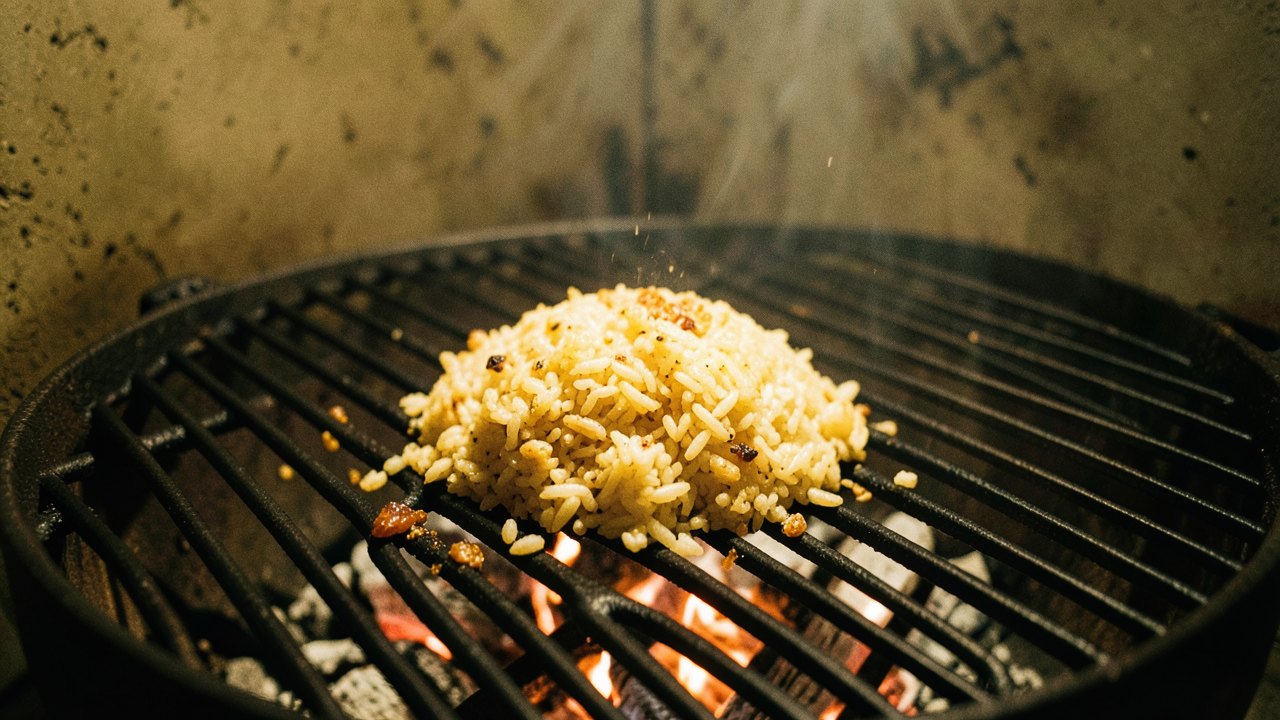
A single serving, known as "il-inbun," typically consists of 150 to 200 grams of meat. Most restaurants have a minimum order of two servings. After the grilling is complete, finishing the meal with fried rice (bokkeumbap) is a common practice. The rice absorbs the remaining meat juices and crispy bits left on the grill, making it a flavorful and satisfying conclusion to the meal.
Table Rules and Manners
To ensure everyone enjoys the experience, there are a few basic guidelines to follow.
- Utensils: Use the tongs to place and turn meat, and scissors for cutting. Don't use your personal chopsticks on raw meat on the grill.
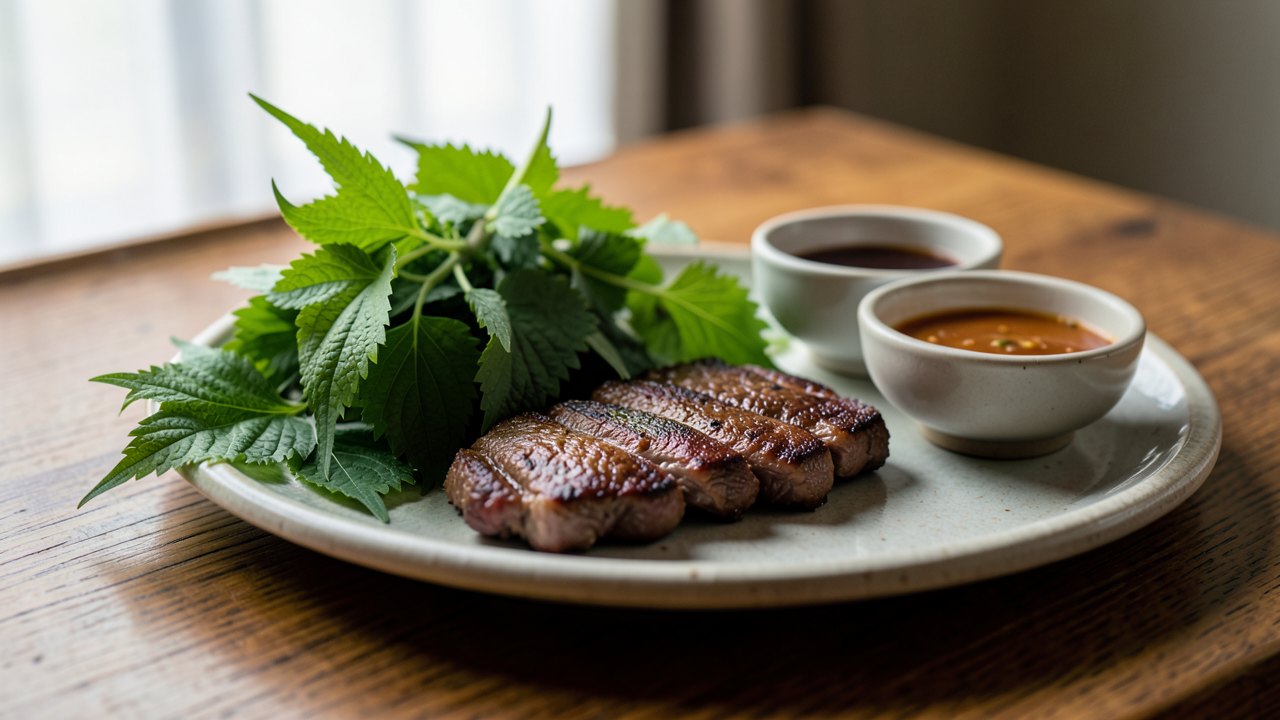
- Wraps (Ssam): Wrap the grilled meat in lettuce or perilla leaf with ssamjang, rice, and optional garlic or grilled kimchi. Ssamjang is a thick, savory paste made from fermented soybean and chili. Eat the wrap in one bite. That's the polite way and the local standard.
- Sides: Side dishes are shared. Take small portions at a time so there's enough for everyone. Refills are standard and free.
- Starting: Wait until the eldest person at the table picks up their chopsticks before you start eating.
- Drinks: Pour drinks for others instead of yourself. Hold the bottle with both hands when pouring for someone older.
- Tipping: Don't tip. It isn't part of the culture, and tax is included in the price.
- Waste: Order only what you can eat. Wasting food is frowned upon.
- Consideration: Keep voice levels moderate. Make sure table smoke and noise don't overwhelm neighbors.
- Clean up: Leave the table tidy by putting waste and napkins in the bins. You don't need to clean the grill.