How to Reseason Cast Iron Grill Grates After Washing
Get your grates dry, apply a thin coat of oil, and heat them up to lock in a solid seasoning layer.
Get Them Dry First
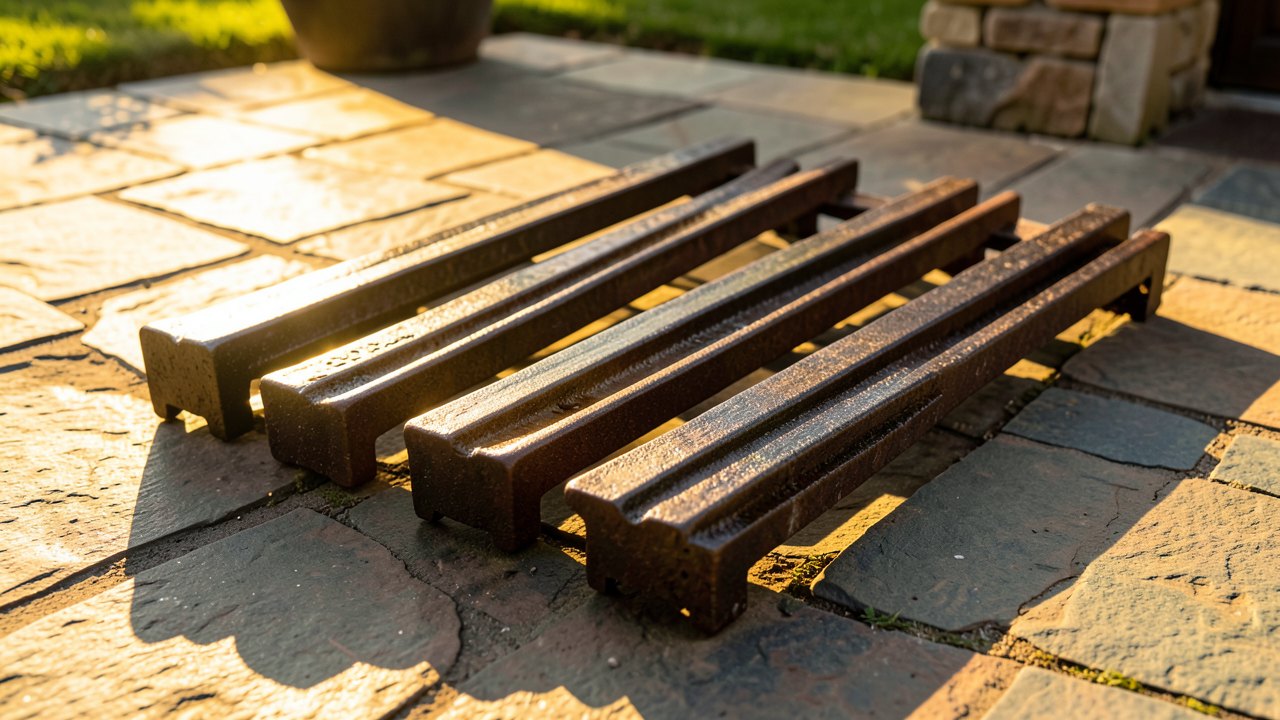
Cast iron grates are a staple in many grilling setups, but they require careful maintenance to keep them in top condition. The first and most crucial step in caring for your cast iron grates is ensuring they are completely dry. Any leftover moisture can lead to rust formation, so take the time to thoroughly wipe down the grates until they are completely dry.
Pick a Solid Oil
When it comes to reconditioning your grates, you have several options for oils and fats. Neutral oils like vegetable oil, canola oil, and other similar fats are highly recommended. Flaxseed oil is occasionally suggested for a fresh layer, while grapeseed oil is favored for its stability and resistance to going rancid over time. Bacon grease is effective for quick daily applications, and both olive oil and shortening are viable alternatives. However, it's best to avoid using spray oils, as they often contain soy lecithin, which can become sticky and gummy at high temperatures.
Apply It Thin and Even
To apply the oil, use a paper towel, lint-free cloth, or a brush to coat the top, bottom, and all corners of the grates with a thin, even layer. It's better to apply too little than too much, as an overly thick layer can bake into a sticky residue.
Heat It Up to Lock It In
Once the grates are oiled, place them back into the grill, close the lid, and turn on the heat. The goal is to bake the oil onto the metal through a process called polymerization. Most guides recommend using high heat, typically between 375°F and 450°F, although some suggest simply cranking the grill to its highest setting. The duration of this process can vary, with some methods recommending a quick 10-minute cycle and others suggesting a more thorough 30 to 60-minute session.
Where the Advice Splits
There is a range of specific techniques and variations in this process. Some sources recommend wrapping the grates in aluminum foil before heating to help trap the oil, though this is not a universally accepted practice. After heating, the cooling protocol also varies, with some methods advising to let the grates cool completely with the lid shut and others stopping at the heating phase. Additionally, some guides suggest repeating the oiling and heating process two or three times before the first cook, while others note that regular grilling naturally builds up the seasoning, making extra passes unnecessary unless the grates have been heavily cleaned or stored for a long time.
Why It Is Worth the Effort
This process forms a protective polymerized layer on the metal, providing a natural, non-stick surface and preventing rust and corrosion. It also preserves the classic black patina, extends the life of the metal, and ensures consistent grilling results.