How to Judge Charcoal Readiness by Color, Heat, and Ash
Know when to start cooking by checking the gray ash, the red glow, and the heat intensity.
Affiliate disclosure: This post contains affiliate links. We may earn a small commission from qualifying purchases at no extra cost to you. See our editorial standards for how we research and select recommendations.
Getting the charcoal just right is crucial for successful cooking. It's important to avoid bitter flavors and sudden temperature drops when adding meat. The best way to determine if the charcoal is ready is by observing the fuel itself rather than relying solely on time.
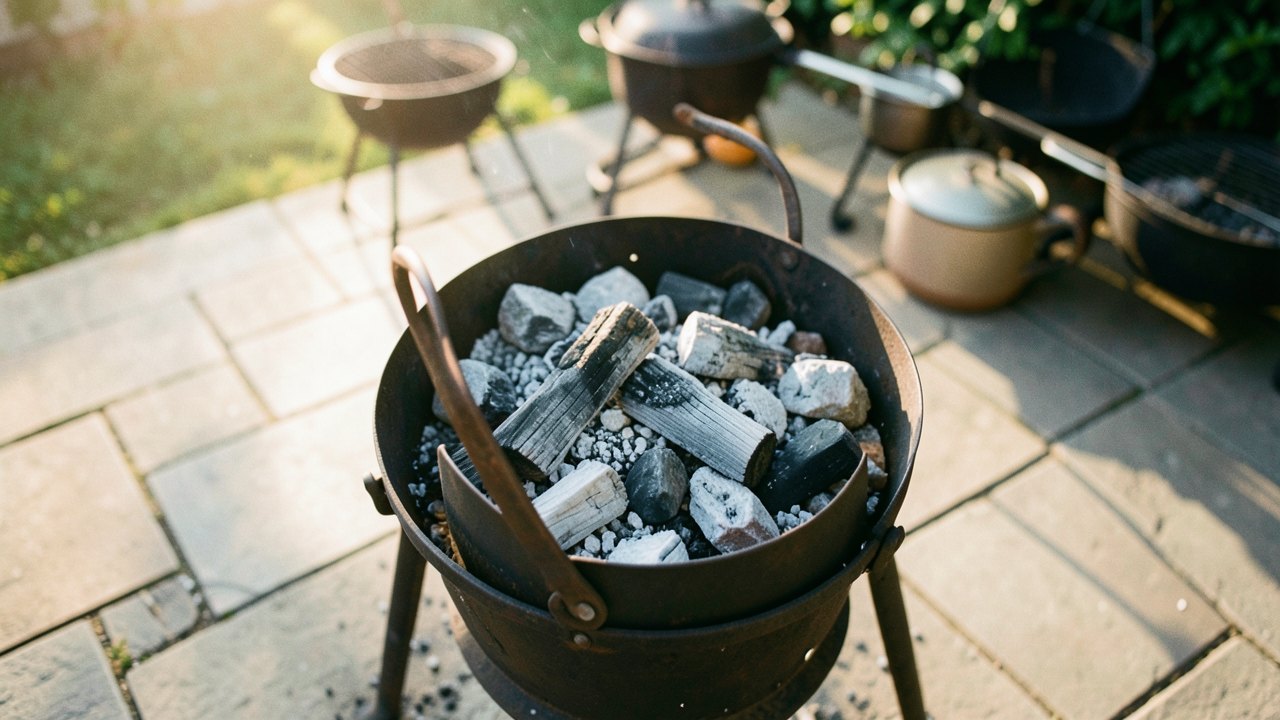
When charcoal is ready, you'll notice clear visual changes. The pieces should transition from a deep black to a light gray or pale gray ash coating. Once most pieces have this uniform gray ash layer, the fuel is generally well-ignited and burning consistently.
Underneath the ash, look for a steady red, orange, or bright orange glow, which indicates that the heat is established. At this point, you should see little to no flame. Tall, dancing flames or sparks mean the charcoal is still in the process of igniting and isn't ready yet.
Additionally, smoke and smell are good indicators. Thick white or gray smoke suggests that the charcoal is still igniting and burning off accelerants. When the charcoal is ready, the smoke becomes very thin or disappears entirely. As for the smell, unready charcoal may emit a "metallic" or "new oven" scent due to fillers and accelerants. Once the charcoal is ready, the odor becomes neutral.
There is a caution about the ash: some sources mention the "ashing illusion," where the charcoal might appear ready due to the ash coating before the heat is actually there. To avoid this, wait until the coals are nearly fully ashed over and still glowing red-hot.
- 2 to 3 seconds: High heat. This is suitable for searing steaks and burgers.
- 4 to 5 seconds: Medium heat. Great for chicken pieces and vegetables.
- 6 seconds or more: Lower heat. Best for slower cooking.
To gauge the heat intensity, you can use the hand test. Hold your hand about 5 to 6 inches above the grate and count the seconds until the heat becomes unbearable. Ready coals should emit steady, radiant heat rather than erratic bursts from flames.
Temperature targets vary depending on the cooking method. Some guidelines suggest a general optimal range of 400°F to 480°F, while others aim for 450°F to 600°F. For high-heat searing, temperatures above 500°F are ideal. Interestingly, for high heat, some advice suggests that coals can be used when they are half-gray and half-red, as opposed to the "mostly gray" standard for general readiness. For medium or low heat, the target is typically 300°F to 400°F.
The time it takes for charcoal to reach cooking temperature varies. Generally, it requires 20 to 30 minutes. Using a chimney starter, coals are often ready to pour after 15 to 20 minutes, though the glow may appear after 10 to 15 minutes. A basic chimney starter needs only newspaper or a starter cube underneath, so there is no lighter fluid near the food. The type of charcoal affects this timing: lump charcoal lights faster and can be ready in about 15 to 20 minutes, but it burns hotter and less predictably. Briquettes, being denser and containing binders, usually take 20 to 30 minutes but burn more evenly and for a longer time. For low-heat cooking or smoking, letting the coals burn for 45 minutes to an hour can help lower the intensity.
Personal experience, weather conditions, grill type, and the specific brand of charcoal can all affect these times, so relying on visual and heat cues is more reliable than a fixed formula.
Waiting for the charcoal to be fully ready is essential for protecting the flavor of your food. Cooking too soon can impart bitter tastes and off-flavors from unburned accelerants, fillers, and heavy smoke. Fully ashed coals provide a neutral flavor. Heat stability is also crucial; ready coals maintain a steady temperature, whereas unready coals can cool down quickly when you add food, risking undercooked meals. Proper ash coverage helps prevent uneven cooking and hot spots, while eliminating flare-ups that can char the outside while leaving the inside raw.
Charcoal, a carbon-rich fuel produced through pyrolysis, burns most efficiently and produces maximum heat when fully ignited. While the charcoal is lighting, it's best to leave the pile undisturbed. Wait until an even ember-like glow and steady radiant heat are established before manipulating it. If you're using a chimney, pour the coals only when the top layer is mostly gray and glowing, indicating the full batch is ready.
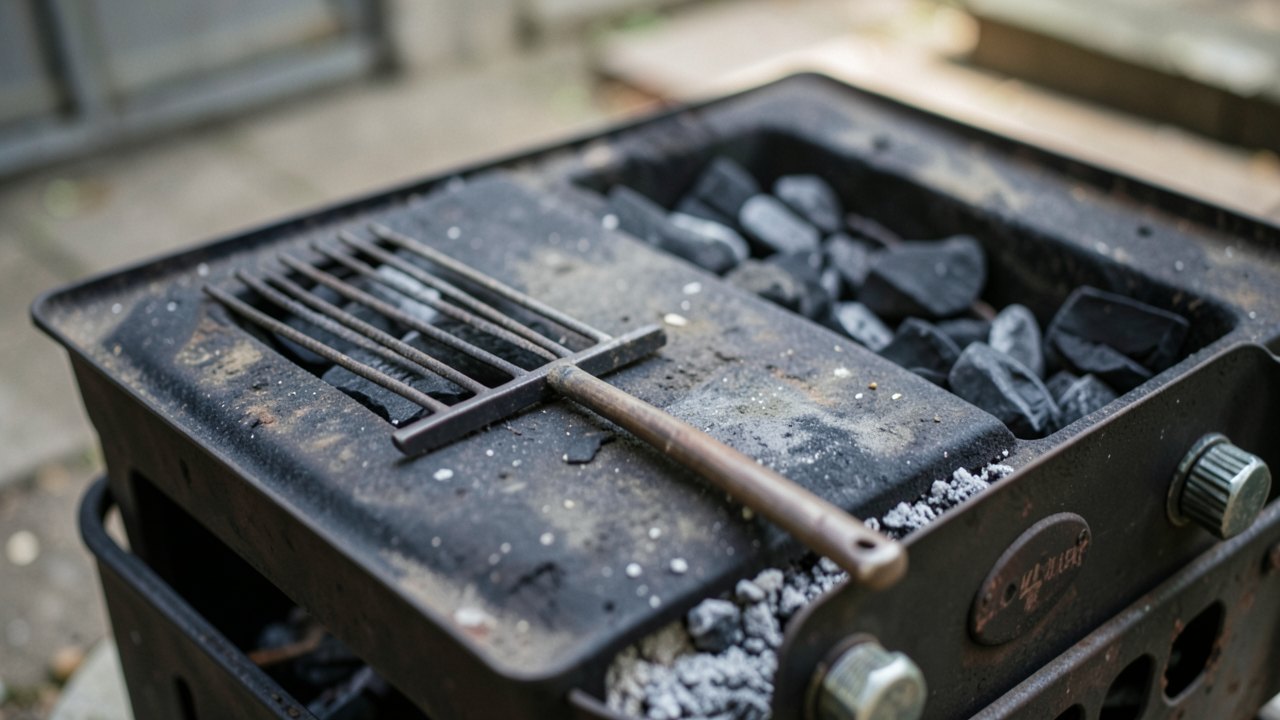
Once the coals are ready and ashed over, you can use an ash tool or rake to arrange them. A good setup is to have two zones: a hot side for searing and a cooler side for slower cooking. You can manage the burn rate and temperature using the vents. Opening the vents increases oxygen and heat, while partially closing them slows the burn and lowers the temperature.