How to Grill Delicate Fish: Techniques to Prevent Flaking and Dryness
Keep delicate fish intact and juicy with proven techniques, temperature targets, and gear that works.
Affiliate disclosure: This post contains affiliate links. We may earn a small commission from qualifying purchases at no extra cost to you. See our editorial standards for how we research and select recommendations.
Fish Selection & Structure
Certain types of fish are better suited for grilling than others. Firm, oily varieties like salmon, swordfish, tuna, mahi-mahi, halibut, snapper, striped bass, bluefish, grouper, and red snapper hold up well to direct heat. More delicate, flaky white fish such as flounder, sole, tilapia, and cod are prone to falling apart and require support—a plank, plancha, foil, or basket—or are best cooked in a pan. Whole fish, including trout, branzino, and sea bass, are often easier to grill due to the structure provided by the skin and bones, which help retain moisture. When grilling fillets, opt for cuts at least 1 inch thick, and consider smaller portions (4-6 ounces) for easier handling.
Preparation Steps
Preparation plays a key role in achieving good results. Pat the fish dry with paper towels before grilling; surface moisture leads to steam, hindering searing and promoting sticking. Salting the fish 10 to 15 minutes prior to cooking helps draw out moisture and enhances the flavor. However, avoid prolonged salting of delicate fish as it can negatively impact the texture. If using marinades, especially those with acidic ingredients like lemon, lime, or vinegar, limit the exposure to 15 to 30 minutes to prevent the protein from breaking down and becoming grainy or mushy. Drain any excess marinade and dry the fish’s surface again before placing it on the grill. Sweet glazes are best added towards the end of the cooking process to prevent burning. Applying mayonnaise to the skin of the fish creates an effective barrier, acting as an emulsion that protects against sticking and adheres well during cooking. It’s also recommended to remove any pin bones using tweezers before grilling.
Grill Setup & Temperature
Proper grill setup is essential. The grates should be thoroughly clean and heated. Scrub them with a stiff brush to remove any residue that could interfere with heat transfer and damage the fish. Oil the grates immediately before placing the fish on them, using a high smoke-point oil (over 400°F) such as vegetable, avocado, peanut, sunflower, or canola. Excess oil should be wiped off to minimize flare-ups. The grill should be preheated to 450 to 500°F; lower temperatures encourage sticking and hinder crust formation. Creating a two-zone fire—one area of direct heat and one area of indirect heat—allows for both browning and gentle, even cooking.
Cooking Methods & Techniques
When grilling, placing the fish skin-side down for approximately 70 to 80% of the cooking time helps crisp the skin and protects the flesh. Alternatively, searing the flesh-side down first can create grill marks. The fish will release naturally from the grill when a crust has formed; forcing it can result in shredding. Avoid moving the fish around during cooking; flipping should occur only once. Moving the fish too often causes flaking and sticking, so use a wide fish spatula for turning and lift gently. If the fish is stuck, wait 30 seconds before attempting to move it. For thicker fillets or salmon sides, indirect heat or hot smoking may be preferable. Closing the grill lid provides a more oven-like environment for even cooking.
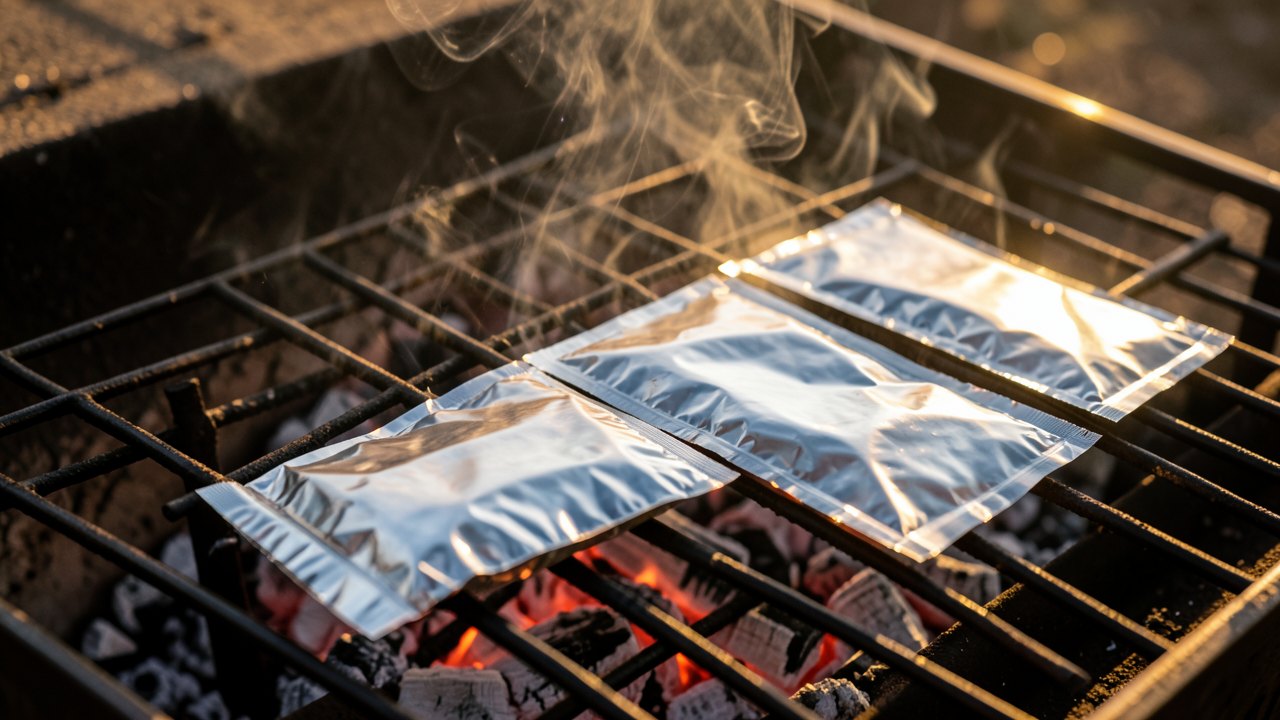
For more delicate fish, a cedar plank offers a reliable method. The plank should be soaked for 1 to 2 hours before being placed on medium heat (around 350°F), shielding the fish from direct flames, creating steam, and imparting a subtle aroma. Foil packets, sealed tightly with heavy-duty foil over medium heat, retain juices and prevent sticking while cooking quickly, in about 5 to 7 minutes. A plancha or cast iron surface provides a smooth, even cooking surface that supports basting, which is particularly useful for fragile fish.
Timing & Doneness
Cooking time varies depending on thickness, generally 8 to 10 minutes per inch. Thinner fish like arctic char may only take 1 to 2 minutes, while salmon steaks require 3 to 4 minutes, and a 1-inch fillet will take around 8 minutes. Target internal temperatures depend on the desired doneness and type of fish. Salmon is often cooked to medium (120-125°F) for a juicy center, or medium-well (130-135°F). Tuna is typically served rare (90-100°F) to medium-rare (105-115°F). Firm white fish should reach an internal temperature of 130 to 135°F. That window is narrow, and an instant-read like the Thermapen ONE reads in about a second, so you can check without leaving the fish on the heat. Whole fish should be cooked to 130 to 140°F in the thickest area. The FDA recommends an internal temperature of 145°F for food safety. Remove the fish from the grill slightly before reaching the target temperature, as the heat will continue to cook it. A brief resting period is not generally required. Visual cues for doneness include the flesh turning opaque, flaking easily with a fork, and separating from the backbone or skin.
Wood Smoke
To add a smoky flavor, use mild wood varieties like alder, apple, cherry, or beech. Strong woods like hickory or mesquite should be avoided or blended with milder woods, as fish absorbs smoke quickly. The goal is to achieve a thin, clean smoke flavor without bitterness.
Where Sources Differ
Note: There are differing opinions on some grilling techniques. Some recommend letting fish sit at room temperature before grilling for even cooking, while others prioritize refrigeration for safety. Advice also varies regarding initial skin-side or flesh-side placement, plank soak times, and mayonnaise application.
References