How to Baste Steak with Butter: Timing, Heat, and Technique
Basting steak with butter builds a better crust and adds rich flavor, but timing and heat management matter. Sources differ on flipping frequency and when to reduce the heat, so here's what the research says about getting it right.
Affiliate disclosure: This post contains affiliate links. We may earn a small commission from qualifying purchases at no extra cost to you. See our editorial standards for how we research and select recommendations.
To begin, select a high-quality cut of steak. Excellent choices include ribeye, New York strip, T-bone, porterhouse, filet mignon, sirloin, or rump. The steak should be the focal point of the meal, so prioritize quality. A thickness of at least 1.5 inches, and ideally up to 2 inches, is recommended. While thinner steaks (around 1 inch) can work, the thicker cuts allow for better crust development without overcooking the center. Approximately 20 to 30 minutes before cooking, remove the steak from the refrigerator. Pat the surface completely dry with paper towels, as moisture hinders proper searing.
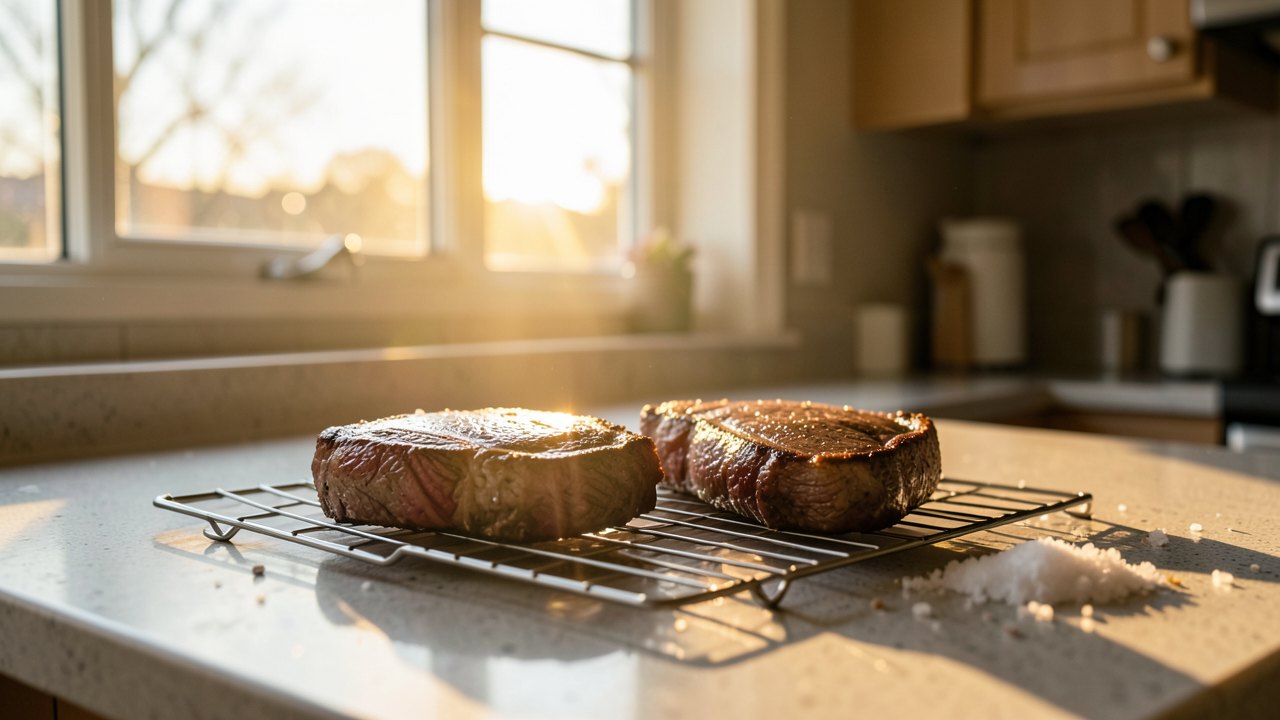
Prior to cooking, you can season generously with salt, or utilize a technique called “faux dry aging.” The latter involves salting the steak with about one teaspoon of salt per pound, wrapping it loosely in paper towels on a rack within the coldest part of your refrigerator for anywhere from two hours to two days. This process helps draw out moisture and concentrate the flavor. Pepper should be added just before placing the steak in the pan.
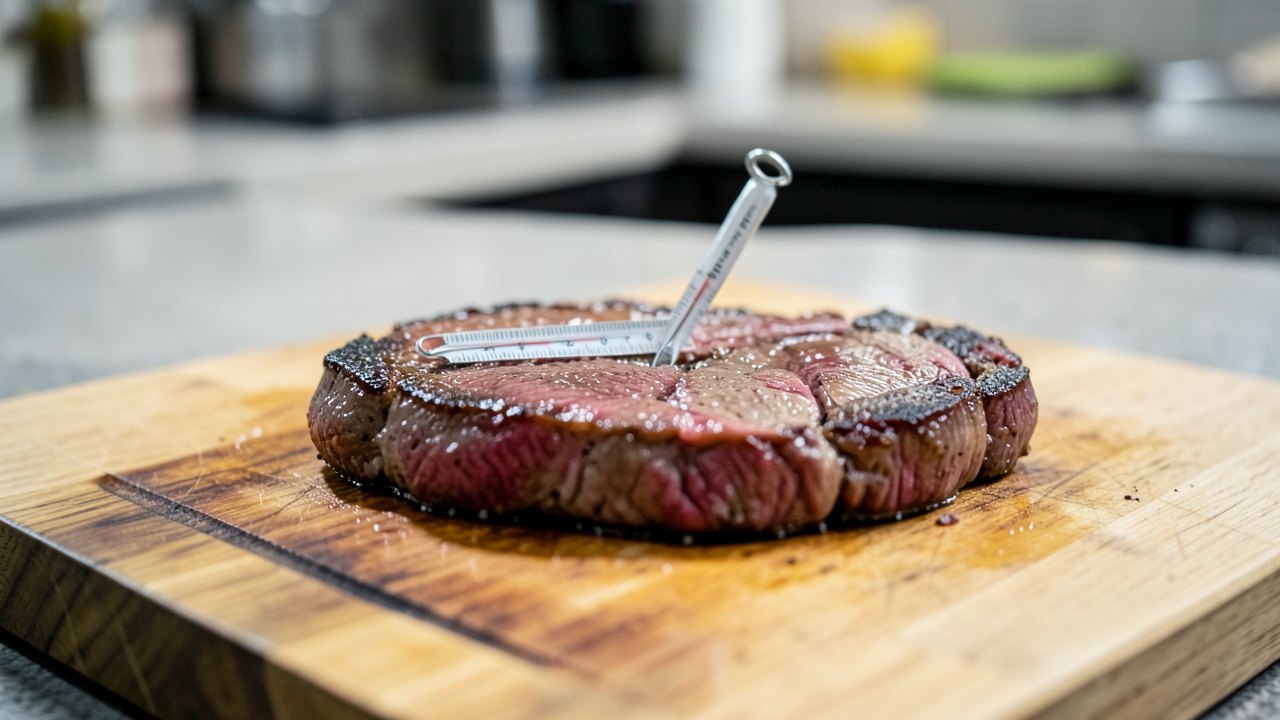
A heavy-bottomed skillet is essential for even cooking. Cast iron is often preferred due to its superior heat retention capabilities, though carbon steel is also suitable. Avoid nonstick pans, as they don't reach the high temperatures needed for a good sear. A quality instant-read thermometer and a large, long-handled spoon are also required. The Thermapen ONE is one example: it reads in about a second, quick enough to check between bastes. If using a charcoal grill, cook the steak in a pan. Direct contact with live coals or flames and butter can cause excessive flare-ups.
Preheat the skillet over high heat until it reaches a smoking or scorching temperature. For cast iron, this typically takes 5 to 7 minutes. Add a high-smoke-point oil, such as olive, avocado, or canola, and wait for it to begin smoking. If the steak has a fat cap, consider searing that edge upright for 1 to 2 minutes to render the fat.
There are differing opinions regarding flipping technique. A common recommendation is to flip the steak every 30 seconds, ensuring even cooking and preventing a band of overcooked meat. This method also aids in developing a uniform crust. Alternatively, some cooks prefer a longer initial sear—two minutes on the first side, followed by one to two minutes on the second, then another flip for a minute. Regardless of the method, rotate the steak to utilize hot spots on the pan surface.
Butter, due to its high water content, must be added carefully. Introducing it too early can soften the crust and cause the milk solids to burn, resulting in a bitter taste. Instead, add the butter towards the end of the cooking process, when the steak is approximately 20 to 30 degrees below your target internal temperature. Smashed garlic cloves and fresh herbs like thyme or rosemary can be added alongside the butter for extra flavor. Fry these aromatics in the butter for a minute to release their fragrance, and then place the garlic on top of the steak.
Tilt the pan to create a pool of butter and use your spoon to scoop and pour the bubbling butter over the steak's surface. This vigorous bubbling indicates that the water is evaporating. The goal is to distribute hot fat, not moisture, which promotes even cooking and crust formation through the Maillard reaction. These browning milk solids contribute to a rich, nutty flavor profile. Baste the steak for 30 seconds to two minutes, or continue flipping every minute until your desired internal temperature is achieved.
Heat management during basting is a point of contention. Some sources strongly advocate maintaining high, smoking heat to ensure water evaporation and crust development, cautioning that insufficient heat can result in a soggy steak. Others suggest reducing the heat to medium-low or low to better control the basting process. As for butter type, preferences vary; some favor salted, European, or cultured butter for their higher fat content and flavor, while others prefer unsalted, adjusting seasoning accordingly.
Rely on your thermometer to gauge doneness. Desired internal temperatures are 120 to 125°F for rare, 130 to 135°F for medium-rare, and 135 to 145°F for medium. Medium-well is typically 150 to 155°F, while well-done reaches 150 to 160°F or higher. Considering carryover heat, which can increase the internal temperature by 10 to 15 degrees after removal from the heat, some suggest pulling rare steaks at 105 to 110°F, medium-rare at 115 to 120°F, and medium at 125 to 130°F.
Allowing the steak to rest is crucial for maintaining juiciness and enabling the redistribution of juices. Let it rest for 5 to 15 minutes. As an example, a 1.5 to 2-inch steak cooked to medium-rare will typically require around 5 minutes of total cooking time. Plan on using roughly 2 to 4 tablespoons of butter, two to six smashed or crushed garlic cloves, and a handful of fresh thyme or rosemary sprigs.