How Binders Work: Rub Adhesion, Application, and the Flavor Debate
Binders are optional but useful for adhesion on smooth or cold surfaces. Learn which binders to use, how to apply a thin layer without greasiness, and why experts disagree on whether binders impact flavor or moisture.
What Is a Binder and Do You Need One?
A binder is a substance applied to the surface of meat to help a dry rub adhere. Essentially, it acts as an adhesive, keeping the seasoning in place throughout handling and the cooking process. It’s important to note that using a binder is entirely optional; it’s a matter of personal preference and doesn’t dictate the success of the cook. Some cooks utilize binders to achieve an even application of seasoning, while others find they can achieve similar results without one.
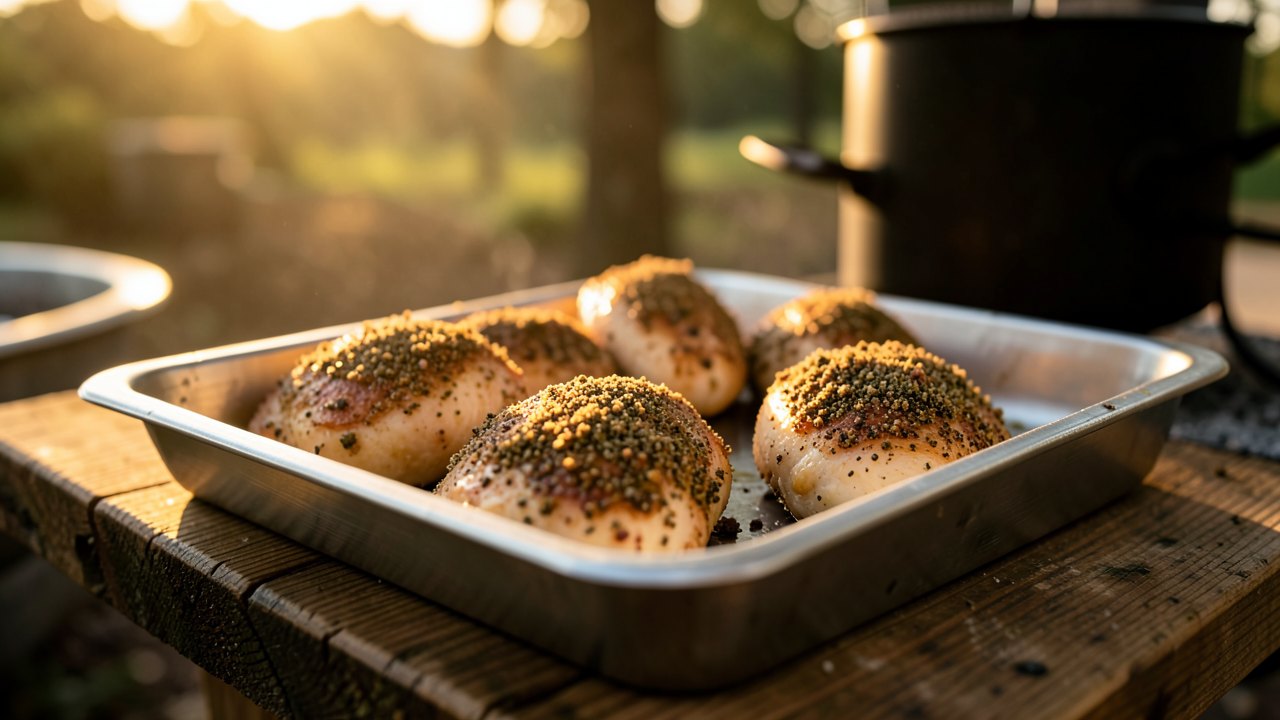
Binders are most beneficial when working with meats that have smooth, slippery, or cold surfaces. This includes cuts like a trimmed brisket, pork tenderloin, or chicken breasts, where the rub might otherwise slide off. They are also helpful when dealing with cold fat surfaces that can be difficult for seasoning to grip.
Common Binders and How They Work
The choices for binders are varied. Common options include water, oil (such as olive or vegetable oil, or melted butter), Worcestershire sauce, honey, maple syrup, hot sauce, pickle juice, and beef tallow.
Water is a straightforward choice when the goal is adhesion without influencing the flavor. Oil-based binders create a thin coating on the meat. Fat-based binders, if used, need to be melted and applied in a very thin layer; a thick application can lead to clumping or prevent the rub from adhering properly.
Mustard is a popular binder due to its naturally sticky texture. However, opinions diverge regarding its impact on flavor. Some believe that mustard imparts a tangy flavor and aids in spice penetration, resulting in a more intense taste. Others maintain that it doesn't contribute any discernible flavor or aftertaste during cooking.
Application Technique and Risks
When applying a binder, the key is to use a minimal amount to create a thin and even layer. The goal is to coat the surface without creating pools of binder. Excess binder can lead to a greasy texture, a heavy mouthfeel, or pooling on the meat's surface.
Application can be achieved using your hands, a basting brush, or a spray bottle for even distribution. Allowing the binder to fully set is a crucial step; attempting to apply the rub before it’s tacky can cause the seasoning to slide off. Once the binder has reached a tacky consistency, the rub will adhere firmly.
The Debate: Flavor, Moisture, and Bark
Advice regarding the overall impact of binders is often conflicting.
There's a debate regarding whether binders impact the final flavor and seasoning penetration beyond simple adhesion. One perspective suggests they can enhance the flavor profile and create a barrier that improves seasoning absorption. Conversely, others argue that binders have no noticeable effect on flavor, either evaporating during cooking or being absorbed into the bark without imparting taste.
Similarly, claims regarding moisture retention vary. Some sources suggest binders can lock in moisture, particularly benefiting leaner cuts of meat. Others assert that they have no impact on moisture retention or tenderness.
There's a general consensus, however, that binders do not improve bark formation. Bark develops through a combination of dehydration, smoke exposure, heat, the Maillard reaction, and the rub itself—a process that remains unaffected by the presence of a binder.
When to Use, Skip, or Find Alternatives
Binders are frequently utilized in competitive barbecue, where a consistently even seasoning presentation can provide a competitive advantage. They are particularly recommended for leaner meats with smoother textures, like pork tenderloin and chicken breasts, as well as beef brisket.
However, a binder isn’t always necessary. If the meat surface is already tacky from dry brining or if the rub naturally adheres well, a binder can be omitted. Dry brining, which involves salting and resting the meat, is a viable alternative for promoting rub adhesion without relying on a binder. In some cases, the natural moisture left from a meat injection can be sufficient to hold the rub. If the rub adheres on its own, a binder may not be required.